-
 Written By:
Shore Point Team
Written By:
Shore Point Team
-
 Edited By:
Shore Point Team
Edited By:
Shore Point Team
-
 Clinically Reviewed By:
Erin Andrade, LICSW
Clinically Reviewed By:
Erin Andrade, LICSW
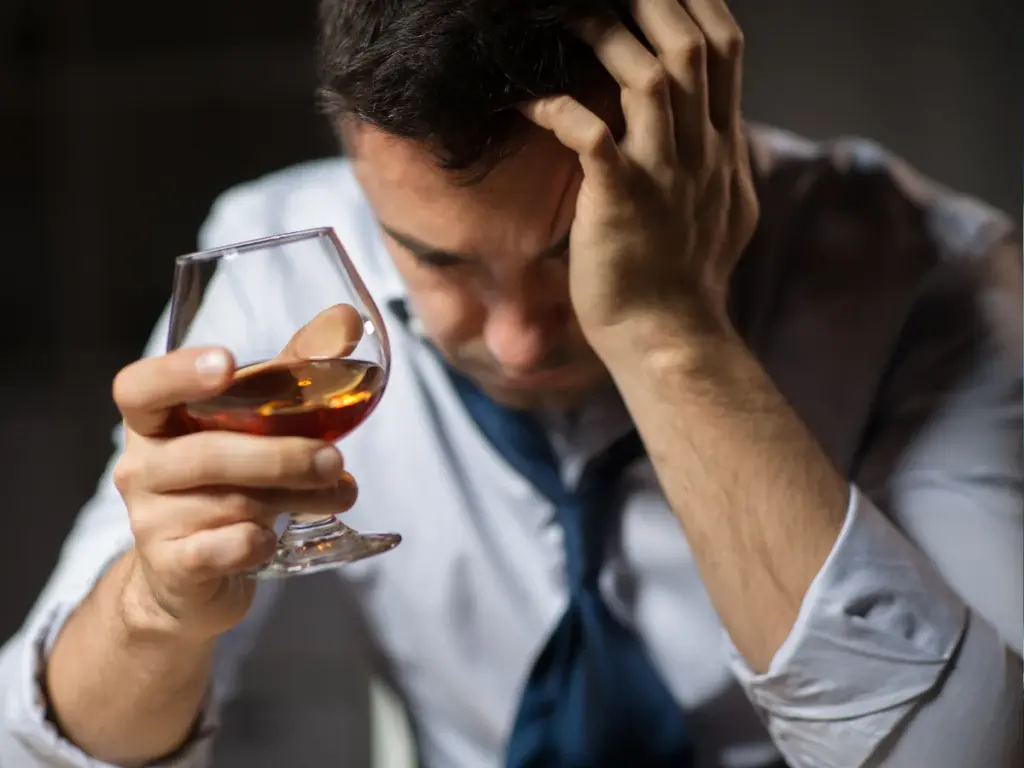
Alcohol cravings are not like any other desire to have a bite of your favorite chocolate or enjoy a preferred beverage. They are intense, irresistible, and overwhelming urges that are beyond a simple wish. Cravings are challenging because they often occur when the individual wants to stay clean and never drink again.
These powerful urges can feel like a complete loss of control. Your thoughts, feelings, and behavior may all be taken over by a strong, irresistible desire. Let’s break down what triggers a craving and the steps that can help manage them effectively.
What Are Alcohol Cravings?
Alcohol cravings are intense desires for the substance that the individual experiences during recovery. The individual experiences frequent urges and finds it difficult to resist. Cravings are stronger when the individual either cuts down on substance use or has decided to quit drinking.
Alcohol Cravings Symptoms
Because cravings are hard to control, the person experiences anxiety, restlessness, and emotional discomfort until the urge subsides or alcohol is consumed. According to NIH study references, there is a positive correlation between a person’s lack of ability to resist cravings and subsequent drinking, leading to alcohol use disorders.
Some of the most common signs of alcohol cravings are:
- Persistent desire to drink alcohol
- Feeling restless, as if unable to relax without drinking
- Mood swings; feeling angry, anxious, or sad all at once
- Physical sensations such as nausea, fatigue, and shakiness
- May convince themselves that one drink is harmless
- May avoid people who discourage drinking
Why Do Alcohol Cravings Happen?
Cravings are one of the most challenging aspects of Alcohol Use Disorder (AUD). Not every individual living with alcohol addiction experiences cravings in the same way. Alcohol cravings are subjective experiences that get triggered due to various causes.
Brain Chemistry and Dopamine
Alcohol disrupts the brain’s chemical messengers, especially dopamine and GABA, which affect how a person experiences pleasure, stress, and emotional balance. Over time, the brain starts depending on alcohol to feel calm or “normal,” and more alcohol is needed to get the same good feeling.
This creates tolerance, making it difficult for the brain to function without the substance. When the person tries to quit, dopamine levels drop, and the individual feels anxious and mentally restless. These signals show up as cravings or an urge to drink, which is hard to ignore.
Habit Loops and Conditioning
Another key cause of alcohol cravings is habitual drinking. Many people drink regularly because alcohol helps to improve their mood. Drinking may help them feel relaxed after an argument or significantly reduce their work stress.
As these positive experiences repeat, the brain begins to associate alcohol with relief and emotional comfort. This conditioning strengthens the habit loop and triggers cravings whenever similar situations arise.
Emotional Triggers
Alcohol cravings are related to the individual’s mood and emotional health. In times of stress, when overthinking, anxiety, and negative emotions continue, the individual resorts to drinking to forget their worries. Loneliness or boredom can also trigger cravings because alcohol helped them to relax in similar situations before.
Withdrawal and Physical Dependence
Once an individual’s body becomes accustomed to alcohol, reducing or stopping use can lead to withdrawal symptoms such as headaches, anxiety, and restlessness. These symptoms may remind them of how alcohol previously helped them feel temporary relief, which can intensify cravings as the body seeks alcohol to ease emotional discomfort. Comprehensive treatment and aftercare planning are essential to help individuals manage these cravings, address underlying triggers, and maintain long-term recovery.
Environmental Factors
Alcohol cravings can start automatically in response to a specific environmental trigger. The brain remembers the past association between drinking and specific situations. Certain people, smells, and places can act as reminders and trigger an immediate craving. For example, attending a social gathering and seeing others enjoying a drink can trigger cravings.
Reduced Self-control During Recovery
During early recovery, cravings are usually strong and persistent. This is because the brain is still adjusting to functioning without alcohol. These persistent cravings can cause anxiety and restlessness that the most motivated individuals may find hard to ignore or resist. As a result, cravings do not mean a failure to stay clean; it’s a normal part of the recovery process.
Step-by-Step Guide to Stop Alcohol Cravings
Alcohol cravings are emotionally overwhelming experiences, yet they are a common and expected part of the recovery journey. Here, let’s break down the various steps that help to overcome these urges.
Step 1 – Identify Your Triggers
The first step to stop your cravings is to understand the various triggers that cause them. Triggers are often based on past experiences and by identifying them, you can break free from the cycle of drinking and regain self-control. Two types of triggers may cause cravings.
- Internal triggers like anxiety, nervousness, stress, and boredom. These internal emotional states cause an intense urge to drink because alcohol was previously used to feel better.
- External triggers are people, places, music, or any other memory of an event that may cause an intense desire to resume drinking.
Avoiding triggers may help break the cycle, but it’s not easy when you have just stopped drinking. You can stop cravings by making small changes every day to reduce the impact of triggers. Some helpful ways are –
- Visit a restaurant where no alcohol is served
- Set boundaries with friends who drink regularly
- Change your routine and replace nighttime drinking with evening walks and family time
Step 2 – Delay and Distract the Craving
When cravings begin, you may feel anxious, but remember that you need not do anything right away. Cravings are temporary, and delaying your action can give your mind and body time to settle, reducing the intensity of the urge.
One of the best ways to deal with cravings is by the ‘urge surfing’ technique. Here, you just notice the craving and understand how it peaks, and then slowly fades. This helps you realize that cravings are manageable if you observe, stay calm, and avoid acting instantly.
Using healthy distractions such as pursuing a hobby, reading a book, or exercising also helps to stop cravings. Most cravings go away within 15-20 minutes when you delay and distract yourself from the situation.
Step 3 – Replace Alcohol With Healthier Coping Skills
Individuals often use alcohol to escape from emotional pain and stressful situations. However, using other stress management tools, such as exercising, regular walking, and breathing exercises, helps reduce anxiety and makes it easier to cope with stress more healthily.
Step 4 – Improve Sleep, Diet, and Physical Health
Taking care of your physical health by choosing nutritious food and getting a restful sleep ensures fewer cravings. Proper nutrition helps to stabilize blood glucose levels and reduces the intense urge to drink. Moreover, getting enough sleep helps to avoid cravings. Maintaining proper hydration and engaging in an exercise regimen improves your overall physical health.
Step 5 – Use Therapy and Professional Support
Alcohol cravings can be managed by using various therapies that not only help individuals avoid triggers but also teach appropriate ways to manage stress and anxiety. Cognitive behavior therapy helps individuals identify negative thoughts that may trigger cravings and replace those with alternative ones.
Motivational interviewing helps individuals stay committed to recovery goals by improving their motivation levels. Therapy is also used for relapse prevention, where patients learn how to control cravings without returning to drinking.
Step 6 – Consider Medication When Appropriate
Another treatment option for alcohol craving is the use of medications under the supervision of a professional healthcare expert. Medications for alcohol cravings reduce the urge to drink. They are usually recommended when cravings are persistent, and the individual finds it hard to quit drinking and an eventual relapse takes place.
Step 7 – Build a Strong Support System
Recovery becomes more manageable with like-minded people, as the individual feels less lonely and isolated. Support groups offer a safe space to share experiences and insights with others dealing with similar issues. Family support is equally important, as having people who understand why cravings happen and offer empathy and guidance to the individual helps in lasting recovery.
How Long Do Alcohol Cravings Last?
Cravings are usually stronger in the initial days after quitting the habit. At this time, the body and brain struggle to function without the substance, causing withdrawal symptoms and intense cravings. Over time, the cravings fade away as the brain rewires itself and learns to function without alcohol.
Several factors influence the duration and intensity of cravings, such as:
- Prolonged drinking habits
- Whether heavy drinking or light drinking
- Any other mental health disorder co-occurring with addiction
When to Seek Professional Help
Alcohol cravings are common when an individual decides to reduce drinking or stop alcohol use altogether. However, if cravings are ongoing, feel intense, or occur alongside another mental health condition, seeking support from a qualified healthcare professional is important. Treatment programs designed to manage alcohol cravings focus on lowering the risk of relapse by helping individuals understand triggers and develop healthy coping strategies. Our team can also help verify your insurance coverage, making it easier to understand your benefits and access appropriate care without added stress or confusion. If you or someone you love is struggling with alcohol use, help is available today. Call us at (508) 938-8079
Frequently Asked
Questions about alcohol cravings
What causes alcohol cravings?
What causes alcohol cravings?
Alcohol cravings are caused by both physical and psychological factors. Physically, the brain becomes used to alcohol’s effect on dopamine, which controls pleasure and reward. Psychologically, stress, anxiety, habits, social triggers, and certain environments can create strong urges to drink, even after someone decides to quit.
How long do alcohol cravings last after quitting?
How long do alcohol cravings last after quitting?
Alcohol cravings usually peak within the first few days to a few weeks after stopping drinking. For many people, cravings gradually decrease over time, especially with healthy coping strategies and support. However, occasional cravings can still happen months later, particularly during stressful situations
What are the most effective ways to stop alcohol cravings?
What are the most effective ways to stop alcohol cravings?
The most effective ways to stop alcohol cravings include avoiding triggers, managing stress, eating balanced meals, staying hydrated, exercising regularly, and practicing mindfulness or relaxation techniques. Professional support, therapy, and structured treatment programs can also significantly reduce cravings and relapse risk.
When should someone seek professional help for alcohol cravings?
When should someone seek professional help for alcohol cravings?
Professional help should be considered if cravings feel overwhelming, lead to repeated relapse, or interfere with daily life. Medical detox, therapy, and addiction treatment programs can provide structured support, safety, and long-term recovery tools.
Can treatment programs really help control alcohol cravings?
Can treatment programs really help control alcohol cravings?
Yes, treatment programs focus on understanding triggers, building coping skills, addressing mental health concerns, and creating relapse-prevention and aftercare plans that support long-term recovery.
Item #1
Table of Contents
Most Insurance Policies
Cover Treatment.
"*" indicates required fields