Stimulants Addiction Treatment in Boston
Stimulants addiction treatment in Boston provides medical support, behavioral therapy, and personalized recovery programs to help individuals overcome dependence on drugs like cocaine or meth while building healthy, long-term sobriety.

Jul 14, 2026
Stimulants treatment in Boston
-
 Written By:
Shore Point Team
Written By:
Shore Point Team
-
 Edited By:
Shore Point Team
Edited By:
Shore Point Team
-
 Clinically Reviewed By:
Erin Andrade, LICSW
Clinically Reviewed By:
Erin Andrade, LICSW
Summary: Shore-Point Recovery offers a private, luxury rehab near Boston for women seeking evidence-based, trauma-informed addiction treatment. Our women-only program provides detox, inpatient care, and mental health support in a safe, compassionate, and restorative setting.
Table of Contents
Evidence-Based Guide to Safe Use and Medical Applications
Comprehensive insights into stimulant drugs, their therapeutic benefits, and the importance of medical supervision for optimal outcomes.
Understanding Stimulants in Modern Healthcare and Performance
Stimulant drugs represent a sophisticated class of medications that enhance central nervous system activity, offering proven therapeutic benefits when used appropriately. Whether you’re considering treatment for attention deficit hyperactivity disorder, exploring options for cognitive enhancement, or seeking to understand the landscape of prescription drug, making informed decisions requires access to comprehensive, medically-sound information that respects your intelligence and circumstances.
Importance of Medically Supervised Stimulant Treatment
Discerning individuals recognize that quality healthcare demands both expertise and discretion. Professional stimulant management offers distinct advantages:
- Evidence-Based Protocols – Systematic review of clinical data ensures treatment decisions reflect the latest medical understanding
- Personalized Risk Assessment – Comprehensive evaluation of cardiovascular effects, blood pressure considerations, and individual health factors
- Premium Care Standards – Access to leading healthcare providers who understand the unique needs of high-performing individuals
- Discretionary Service – Confidential treatment program that respect privacy while maintaining the highest medical standards
- Comprehensive Monitoring – Regular assessment of cognitive function, cardiovascular health, and treatment efficacy
With proper medical supervision, prescription stimulants deliver measurable improvements in focus, alertness, and cognitive performance while minimizing risks through expert oversight.
Professional Stimulant Treatment at Shore Point Recovery
Quality stimulant therapy follows a structured, evidence-based approach designed to maximize benefits while ensuring safety:
Step 1: Comprehensive Medical Assessment A thorough evaluation examines your health history, current medications, cardiovascular status, and specific goals. This includes assessment for attention deficit hyperactivity disorder (ADHD), sleep disorders like narcolepsy, or other conditions that may benefit from stimulant therapy.
Step 2: Precision Treatment Planning Based on your unique profile, your healthcare provider selects the most appropriate stimulant drug from the amphetamine class or other stimulants, determining optimal dosing and administration schedules that align with your lifestyle and performance requirements.
Step 3: Careful Implementation and Monitoring Treatment begins with conservative dosing, with regular monitoring of blood pressure, heart rate, and cognitive function. Your provider tracks both therapeutic benefits and any side effects, adjusting treatment as needed.
Step 4: Ongoing Optimization and Aftercare Support: Regular follow-up appointments ensure continued efficacy while monitoring for any cardiovascular effects or signs of stimulant use disorder. This aftercare support includes periodic assessment of the nervous system and overall health status to promote safe, stable, and long-term recovery.
What Distinguishes Premium Stimulant Care?
Exceptional stimulant treatment goes beyond standard prescribing practices to offer comprehensive, sophisticated care:
- Advanced Pharmacological Expertise – Deep understanding of dopamine transporter function, norepinephrine transporter activity, and adenosine receptors to optimize therapeutic outcomes
- Integrated Health Approach – Consideration of how stimulant use affects body temperature, breathing rate, and the sympathetic nervous system as part of comprehensive wellness
- Risk Mitigation Strategies – Proactive approaches to prevent stimulant drug abuse, manage abuse potential, and avoid dangerous drug interactions
- Lifestyle Integration – Treatment plans that accommodate demanding schedules while maintaining effectiveness and safety
Understanding Different Types of Stimulants
Prescription Stimulants for Medical Use Controlled substances like amphetamines and methylphenidate are used to treat ADHD and narcolepsy under medical supervision. These prescription drugs offer predictable effects with established safety profiles when properly managed.
Common Stimulants in Daily Life Caffeine, found in coffee and tea, represents the most widely used psychoactive drug globally. Understanding how these substances interact with prescription medications is crucial for optimal outcomes.
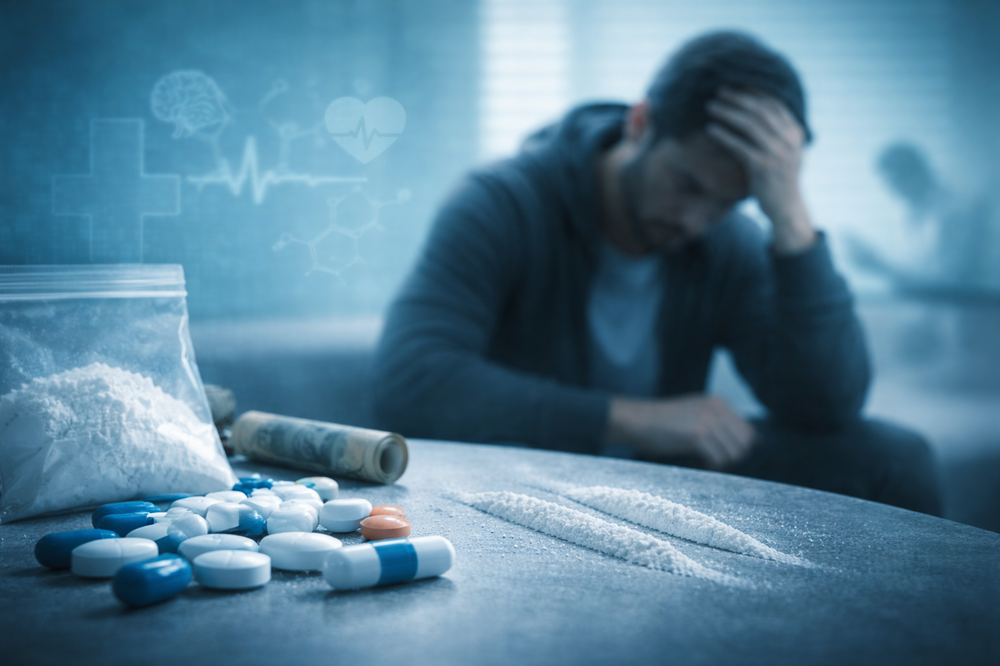
Illicit Stimulants and Associated Risks Substances like cocaine (a crystalline powder derived from coca leaves), methamphetamine, and bath salts carry significant health risks and legal consequences. Recent trends show concerning increases in stimulant-related overdose deaths, often involving mixing drugs with other substances.
Therapeutic Applications and Medical Benefits
Attention Deficit Hyperactivity Disorder Treatment Prescription stimulants remain the gold standard for ADHD management, with decades of research supporting their efficacy in improving focus, reducing impulsivity, and enhancing executive function.
Narcolepsy and Sleep Disorders Certain stimulants effectively treat narcolepsy by promoting extended wakefulness and improving quality of life for individuals with this challenging condition.
Performance Enhancement Under Medical Guidance: Some healthcare providers and addiction experts work with high-performing professionals to optimize cognitive function through carefully monitored stimulant therapy, always prioritizing safety, responsible use, and medical ethics
Weight Management Applications Specific stimulants may be prescribed as diet aids for weight loss, though this requires careful medical supervision due to cardiovascular considerations and potential for abuse.
Understanding Risks and Safety Considerations
Cardiovascular Monitoring Stimulants affect the body’s systems by increasing heart rate and blood pressure. Regular monitoring prevents complications such as irregular heartbeat or, in extreme cases, heart attack.
Recognizing Problematic Use Signs of stimulant use disorder include mood swings, decreased appetite, tolerance requiring large doses, and continued use despite negative consequences. Professional intervention is essential when these patterns emerge.
Drug Interactions and Contraindications Mixing drugs, particularly combining stimulants with other psychoactive substances, creates unpredictable and potentially dangerous effects. Your healthcare provider will review all medications and supplements to prevent harmful interactions.
Managing Side Effects Common side effects may include increased focus that becomes hyperfocus, sleep disruption, or abdominal cramps. Professional management can minimize these effects while maintaining therapeutic benefits.
Elevating Safety, Maximizing Benefits
When managed with precision and guided by medical expertise, stimulant therapy can deliver powerful, measurable improvements in focus, performance, and quality of life—without compromising safety. At Shore Point Recovery, our evidence-based and discreet approach ensures every treatment decision is supported by advanced clinical insight and tailored to your unique goals, health profile, and lifestyle needs.
For individuals struggling with stimulant misuse or dependence, our comprehensive programs include structured inpatient treatment and flexible outpatient treatment options designed to support long-term recovery and stability. Our team also offers quick and confidential insurance verification to help you understand your coverage and begin treatment without unnecessary delays.
If you’re ready to take the next step toward better health and lasting recovery, our compassionate team is here to help. Call (508) 938-8079 today to speak with a specialist and learn how our personalized treatment programs can support your recovery journey.
Frequently Asked Questions
What are the warning signs of stimulant addiction?
Signs of stimulant addiction may include increased energy followed by crashes, strong cravings, mood swings, anxiety, and difficulty sleeping. People may also neglect responsibilities, experience financial problems, or continue using stimulants despite negative consequences. These symptoms often indicate the need for professional treatment.
How do stimulants affect the brain?
Stimulants increase dopamine levels in the brain, which creates feelings of pleasure, energy, and motivation. Repeated use can alter brain chemistry and disrupt the reward system, making it difficult for a person to feel normal without the drug. Over time, this leads to dependence and compulsive drug-seeking behavior.
What are the long-term risks of stimulant addiction?
Long-term stimulant misuse can lead to severe health problems such as heart disease, memory issues, mood disorders, and cognitive impairment. Chronic use may also cause anxiety, depression, and psychosis. Without treatment, these effects can significantly impact a person’s overall health and quality of life.
What withdrawal symptoms occur when stopping stimulants?
Stimulant withdrawal often includes fatigue, depression, intense cravings, irritability, and sleep disturbances. Some individuals may also experience anxiety or difficulty concentrating. Professional support during withdrawal can help manage these symptoms and reduce the risk of relapse.
What treatments are available for stimulant addiction?
Treatment typically includes behavioral therapies, counseling, and structured recovery programs. Evidence-based approaches such as cognitive behavioral therapy (CBT) help individuals identify triggers and develop healthier coping strategies. Many programs also include group therapy and relapse prevention planning.
How long does stimulant addiction treatment take?
The length of treatment varies depending on the severity of addiction and individual needs. Some people begin with detox and continue with inpatient or outpatient therapy programs. Long-term support such as counseling and aftercare can help maintain recovery.
Can someone recover from stimulant addiction?
Yes, recovery from stimulant addiction is possible with the right treatment and support. Many individuals achieve long-term sobriety through therapy, structured programs, and lifestyle changes. Ongoing support from professionals, family, and recovery groups can significantly improve outcomes.
Table of Contents
Most Insurance Policies
Cover Treatment.
"*" indicates required fields
About The Contributors

Erin Andrade, LICSW
Program Director

Shore Point Team
Team Member

Shore Point Team
Team Member