
-
 Written By:
Shore Point Team
Written By:
Shore Point Team
-
 Edited By:
Shore Point Team
Edited By:
Shore Point Team
-
 Clinically Reviewed By:
Erin Andrade, LICSW
Clinically Reviewed By:
Erin Andrade, LICSW
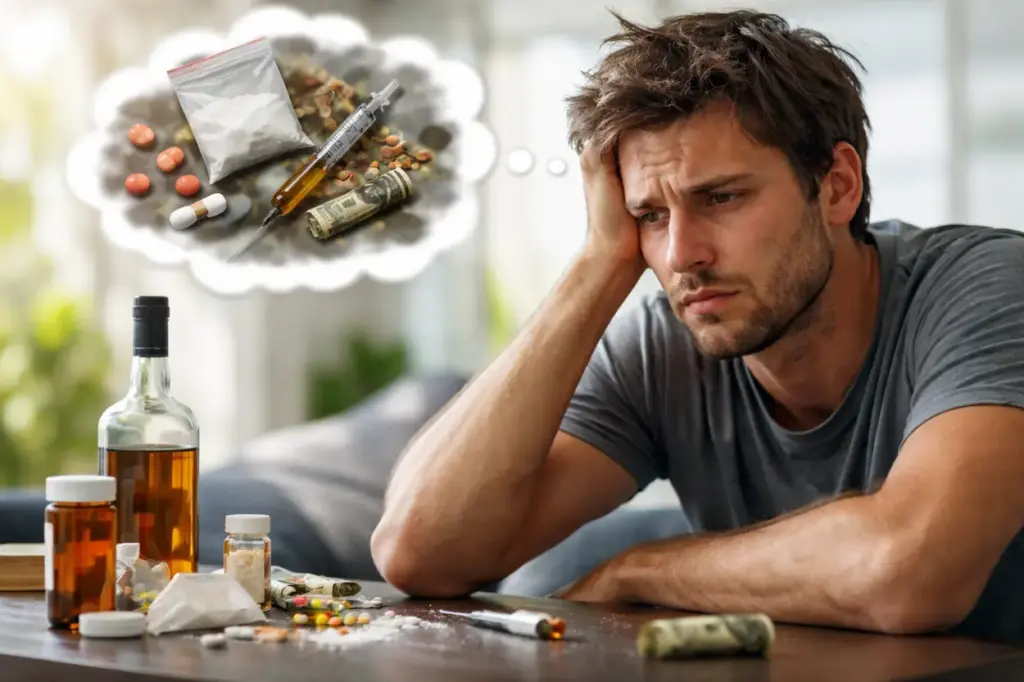
Many people begin using depressants just to relax, sleep peacefully, and overcome their daily stress. However, what started as small, occasional doses often increases with each use. With repeated use, the body becomes accustomed to the substance, and the person needs a higher dose to achieve the desired effects.
This gradual process, where the body becomes less responsive to the same dose, is known as depressant tolerance. Tolerance increases the risk of drug dependence and overdose. Understanding how depressants affect brain function and lead to misuse and addiction helps individuals stay informed and recognize when to seek help.
What Is A Depressant Drug?
Depressants are substances that inhibit or slow down the functions of the central nervous system. As a result, they produce calming and sedative effects, making a person feel less active. Depressants are commonly referred to as ‘downers’, meaning they help reduce brain activity and support relaxation in times of stress.
These substances are not meant to cause depression; instead, they help reduce:
- Arousal
- Anxiety
- Stress reactions
- Sleep disorders
Depressants are used either as prescribed medications or misused recreationally to produce feelings of relaxation, calmness, or euphoria. Common depressant drugs include:
- Benzodiazepines
- Barbiturates
- Alcohol
- Prescription sleep medication
What Is Depressant Tolerance?
Tolerance refers to a condition in which a given dose of a depressant becomes less effective with repeated use. As a result, it no longer provides the same calming and sedative effects. Tolerance builds gradually until the individual realizes they need higher doses to achieve the same results.
According to NIH research references, 3 – 7% of the US population uses prescribed CNS depressants such as sedatives, which increases the risk of developing tolerance over time.
How Does It Work?
Depressants work by reducing CNS activity. These drugs act on the neurotransmitter GABA, slowing neural communication. As a result, depressants calm the mind and slow down brain activity. Initially, this helps the person relax.
When depressants are used regularly and for longer durations, the brain adjusts by becoming less sensitive to the original dose, requiring a higher dose to achieve the same calming effect. Long-term use can cause various side effects and may lead to physical dependence and addiction.
Tolerance vs Dependence vs Addiction
| Aspect | Tolerance | Dependence | Addiction |
| Definition | A condition in which the body needs a higher dose of the drug to experience the desired effects | Psychological reliance on the substance, in which the person feels they cannot function normally without it | The individual uses the substance compulsively, even after knowing its harmful consequences |
| Main feature | The original dose becomes less effective | Withdrawal symptoms begin if the drug dose is reduced or if the drug is quit cold turkey | The person loses control over drug use, repeating the same dose frequently or misusing higher doses |
| How it works | The brain adapts to increased doses and drug presence | Reliance on the substance to function normally | The brain’s reward and pleasure system is altered, triggering continuous use with no stopping. |
Short-Term Effects of Depressant Tolerance
In the early stages of drug tolerance, the side effects may not be so noticeable because the person may feel like they are just making minor dosage changes that may seem harmless.
Thus, short-term effects of tolerance include:
Reduced Effectiveness
Individuals notice that the original dose no longer produces the desired effect. The drug becomes less effective, and what once helped them no longer produces the same impact.
Increased Dose
When individuals realize that the drug has become less effective, they may start taking frequent doses or higher doses than what is recommended by their doctor.
Early Cognitive Changes
Some individuals experience impaired judgment, slow decision-making, and mild confusion. They may also find it difficult to concentrate on daily tasks due to slowed thinking.
Patterns of Risky Use
People who have developed a tolerance for depressants may combine the drug with other substances, such as alcohol and other medications. This risky behavior increases the chance of drug overdose.
Drowsiness
As depressants slow down brain activity, the individual may experience excessive drowsiness. They may feel tired, lack energy, and struggle to stay active or complete daily responsibilities at home and at work.
Mood Changes
When an individual depends on a depressant for longer durations, they may experience intense mood swings. They may experience mixed emotions such as happiness, sadness, and anxiety, and they often cannot say why they are feeling this way.
Physiological Changes
Movements become less steady and more sluggish. Slurred speech and visual disturbances are common signs of depressant misuse. Sometimes, low blood pressure, a slowed pulse, and breathing difficulties may occur if the drug dose is increased without medical supervision.
Long-Term Effects of Depressant Tolerance
With repeated use, the side effects become more severe and begin to interfere with daily functioning and overall well-being.
Physical Dependence
With repeated use of depressants, the brain and body begin to rely on the drug to feel normal. The individual may experience withdrawal symptoms if they stop or reduce use abruptly.
Developing an Addiction
Addiction may build up quickly when the individual crosses the line between use and misuse, making it difficult to control compulsive use even when they know that substance use is harmful to their overall well-being.
Mental Health Problems
Drug tolerance can increase anxiety and mood swings, especially when a person becomes overly focused on obtaining or using the drug, sometimes seeking multiple prescriptions.
Why Tolerance Increases Overdose Risk
As tolerance sets in, the person may start taking higher doses of the drug or use the drug more frequently to feel the same effects. This significantly increases the risk of overdose, which is a medical emergency requiring immediate attention.
Overdose may lead to conditions like coma, brain damage, and even death. According to NIH-backed data, in 2023, 10,870 drug overdose deaths were linked to benzodiazepines. Sometimes, individuals may combine CNS depressants with other substances, such as alcohol, which leads to shallow breathing, vomiting, and slowed heart rate. In the event of an overdose, immediate medical support is important to reverse complications and save lives.
Can Depressant Tolerance Be Reversed?
Yes, depressant tolerance can be reversed, but it is not advisable to stop use at home without medical supervision. The safest way to reverse tolerance is through gradual tapering of the drug under the guidance of a health professional in a medical detox center.
This process safely removes substances from the body and helps manage withdrawal symptoms while preventing complications. Additionally, behavior therapy can be used to teach coping skills for dealing with stress.
Treatment Options for Depressant Tolerance
Various treatment approaches are available to help individuals overcome depressant tolerance.
Medical detox: This is a supervised detox program that helps to clear substances from the body. In this approach, healthcare professionals monitor withdrawal symptoms in a safe, structured manner, helping the individual feel stable during recovery.
Inpatient vs outpatient rehab: Inpatient rehab provides a structured, 24/7 supportive environment where individuals can focus on recovery, while outpatient treatment for depressant use allows individuals to continue their daily routines while attending regular treatment sessions.
Therapy and aftercare support: Therapy addresses emotional and behavioral patterns that lead to addiction. It supports emotional healing and reduces the risk of relapse. Alongside, aftercare planning ensures the continued support needed for transition back to normal life.
Prevention Tips
Depressant tolerance can be prevented by:
- Taking depressant medications exactly as prescribed
- Avoid increasing the dose without medical supervision
- Schedule regular check-ins with your doctor to monitor your condition
- Beware of signs such as needing higher doses regularly to experience the same effect
- Use healthy stress-relief methods to relax and maintain a consistent sleep schedule
When to Seek Professional Help
If you or your family members are struggling with depressant tolerance, it is vital to watch for signs such as needing higher doses, withdrawal symptoms, and losing control over repeated use. If these signs persist for prolonged periods and interfere with daily life, seek professional help promptly. You can also complete a quick insurance verification to explore your treatment options and coverage. Call (508) 938-8079 today to speak with a specialist and get the support you need.
Frequently Asked
Questions about Depressant
How quickly can depressant tolerance develop?
How quickly can depressant tolerance develop?
Tolerance can develop within a short period, especially with frequent or high-dose use of substances like benzodiazepines or alcohol.
What are the short-term effects of depressant tolerance?
What are the short-term effects of depressant tolerance?
Short-term effects may include drowsiness, confusion, slowed reaction time, and difficulty concentrating. These effects can impair daily functioning and increase the risk of accidents.
What are the long-term effects of depressant tolerance?
What are the long-term effects of depressant tolerance?
Long-term effects may include memory problems, emotional instability, dependence, and increased risk of overdose—especially when combined with other substances.
Can depressant tolerance lead to addiction?
Can depressant tolerance lead to addiction?
Yes, increasing tolerance often leads to higher use, which can result in physical dependence and addiction over time. Addiction is a complex brain condition that makes it difficult to stop using the substance.
What happens if you stop using depressants suddenly?
What happens if you stop using depressants suddenly?
Stopping suddenly can cause withdrawal symptoms such as anxiety, insomnia, nausea, and in severe cases, seizures. Withdrawal can be dangerous without medical supervision.
Can depressant tolerance be reversed?
Can depressant tolerance be reversed?
Yes, tolerance can be reduced with proper medical guidance, gradual dose reduction, and treatment programs that support recovery and brain stabilization.
What treatment options are available for depressant tolerance?
What treatment options are available for depressant tolerance?
Treatment may include medical detox, behavioral therapy, inpatient or outpatient rehab, and long-term aftercare support to prevent relapse.
Item #1
style font
Table of Contents
Most Insurance Policies
Cover Treatment.
"*" indicates required fields