


 Written By:
 Edited By:
 Clinically Reviewed By:
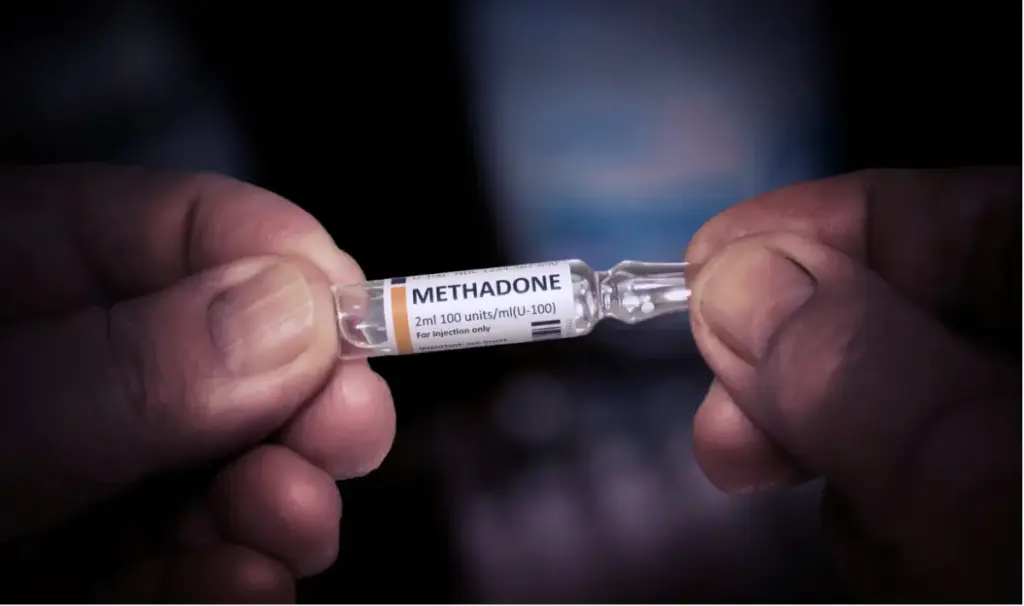
Methadone is a long-acting synthetic opioid primarily used for pain management or as a maintenance drug to treat opioid use disorders (OUD). Overdose risks are high when the individual takes more than the prescribed dose without medical supervision or takes repeat doses quickly, or mixes methadone with other substances.
Understanding the warning signs of methadone overdose is crucial to seeking emergency relief at the earliest and avoiding life-threatening complications.
What Is Methadone?
Methadone is an opioid medication prescribed for managing chronic pain. It is also a standard drug to be used in MAT to treat people living with Opioid Use Disorders. When used for addiction, methadone works by acting on the same opioid receptors that drugs like fentanyl and heroin affect.
However, being a slow-acting opioid, it stabilizes the brain and blocks the euphoric effects of other opioids, thereby reducing cravings and withdrawal discomfort. According to CDC reports, opioid overdoses remain consistently high in the United States, with about 80000 people dying of opioid overdoses in 2023.
What is a Methadone Overdose?
Methadone overdose occurs when an individual takes more than what has been prescribed to them, or intentionally tries to misuse the drug. During an overdose, the methadone concentration in the blood increases much higher than what the body can process. Moreover, it depresses the central nervous system, leading to slowed breathing, heart rate, and brain activity.
The drug has a long half-life and delayed onset of some effects, which means it builds up slowly in the body. The signs of an overdose may appear hours after the person has had their last dose. Because methadone remains active in the body for longer periods, the risk of an accidental overdose is also high when additional doses are taken too soon before the previous dose has fully worn off.
If someone you know and care for is at risk of a methadone overdose, seeking prompt help can save their life and improve their quality of living.
What Does a Methadone Overdose Feel Like?
The early signs of an overdose may be subtle, yet hint towards prompt action. Methadone overdose symptoms can intensify or worsen sooner than one can expect.
| Early warning signs | Moderate symptoms | Severe symptoms |
|
|
|
If you find a loved one or someone else with a few or more of these poisoning signs, do not wait. Early intervention can save lives. Call Us
Methadone Overdose Timeline: What You Need to Know
Methadone stays in the body for a long time and acts very slowly. Thus, the risks of build-up are greater, along with the symptoms of overdose that may take time to get recognized.
Within the first few hours
During the first few hours after having the last dose, the individual may experience excessive drowsiness, slowed breathing, or dizziness. They may feel mentally disoriented and have slow reaction times.
Sedation often increases gradually, and the individual feels sleepy and less responsive. It is difficult to recognize how serious the overdose is becoming at this stage, but these warning signs should be closely monitored and never ignored.
Delayed symptoms
The delayed symptoms may begin to appear when methadone is still active in the body. The individual experiences dangerously slow breathing, extreme fatigue, and reduced responsiveness. Their pulse is weak, and oxygen levels may drop, leading to respiratory distress. The overdose effects last longer than other opioids and continue for hours after the individual has had their last dose.
Emergency phase
During this phase, the individual may experience severe respiratory suppression, breathing may feel hard, and their overall health condition deteriorates rapidly. They may lose consciousness, experience seizures, or experience heart failure, unless immediate medical support is provided.
What Are The Causes Of Methadone Overdose?
There are several causes that may increase the risks of methadone overdose.
Taking too much methadone
When too much methadone enters the bloodstream than what the body can process, it can lead to an overdose. Additionally, methadone has a long half-life and delayed effects. Thus, the individual may not realize the risks and take additional doses too soon, even before the previous one is eliminated from the body.
Mixing methadone with alcohol
When methadone is mixed with alcohol, it can be extremely dangerous as both are depressants and can slow down the central nervous system. The individual may feel drowsy, with shallow breathing or improper mental alertness.
Combining methadone with benzodiazepines or sedatives
Using methadone with other sedatives and anti-anxiety drugs can increase the risks of overdose. These substances quickly intensify methadone’s effects on breathing and brain activity, causing sedation, unresponsiveness, and respiratory failure.
Reduced opioid tolerance
Overdose risks are high when the body’s tolerance levels decrease after a period of abstinence. Thus, when the person again uses methadone, even their previous dose may lead to higher overdose risks.
Accidental Overdose due to drug misuse
When methadone is used during opioid addiction recovery, and the individual takes a wrong dosage due to confusion about dosage instructions, they may become more vulnerable to experiencing an overdose.
Who Is Most At Risk Of Methadone Overdose?
There are other risk factors that are linked to a higher chance of methadone overdose.
- Long-term opioid users may underestimate overdose risks because they may think they can tolerate higher amounts.
- Individuals with a history of previous drug overdoses are at risk for similar experiences in the future
- People with co-occurring conditions, where opioid dependence exists alongside anxiety, depression, trauma, or stress, may not realize when drug intoxication exceeds safe limits and results in an overdose.
- If someone is having pre-existing health difficulties, such as liver problems or breathing difficulties, they may have greater risks.
- Older adults with slow metabolism may have a higher risk of an overdose because methadone takes a lot of time to clear from the body.
- New patients may face a higher risk of methadone overdose because their bodies have not yet adjusted to the medication.
If you or a loved one has any of these risk factors, it is important to talk to an addiction expert to assess the risk of an overdose and take appropriate measures to prevent the same.
What To Do During a Methadone Overdose
Methadone poisoning is a life-threatening condition that requires immediate medical care.
Call emergency services: Overdose is a medical emergency that often requires quick action. As someone seeing a person with overdose symptoms, you need to call the emergency helpline for immediate medical support. In the meantime, continue monitoring signs such as dizziness, vomiting, slow breathing, and other indicators that are important for saving lives.
Administer naloxone: Naloxone may be given if available at the moment to help reverse the opioid effects of methadone and restore the patient’s breathing patterns. The individual should be observed closely before being taken to the hospital for emergency life support.
Never leave the person alone: It is important to be with someone who is experiencing a drug overdose so that if the symptoms become serious, they can be lessened as much as possible. It is important to monitor their condition to prevent it from worsening before emergency responders arrive.
Keep the person awake if possible: If the person is awake and responsive, keep talking to them and monitor changes in their alertness, responses, and breathing patterns until help arrives.
Remember, the risks of overdose can be minimized when the person gets treatment at the right time.
Methadone Overdose Treatment In An Emergency Medical Facility
Respiratory support
Methadone toxicity slows down breathing and reduces oxygen supply to the different parts of the body. Thus, oxygen therapy is given at the emergency facility to revive breathing and stabilize the individual’s condition. Assisted ventilation, or mechanical breathing support may be used when breathing becomes dangerously impaired.
IV fluids and medical monitoring
The individual is continuously monitored, and IV fluids are administered to support circulation and maintain optimal hydration. Healthcare providers also monitor signs of complications such as falling blood pressure, low oxygen levels, heart rhythm abnormalities, or recurrent sedation.
Inpatient medical detox
After the individual’s immediate crisis is over, they may benefit from inpatient medical detox, where 24/7 supervision is given to manage withdrawal as methadone is gradually eliminated from their body. Methadone doses are gradually reduced under medical supervision over the next few days to weeks through tapering. This reduces the risk of relapse or future overdose.
How Shore Point Recovery Can Help To Prevent an Overdose Risk
Personalized treatment plans: At Shore Point Recovery, our methadone addiction treatment programs are thoughtfully designed to support you, track your progress, and help you rebuild your life.
Evidence-based therapy: Our team offers a range of clinically approved therapy sessions based on the principles of Cognitive-Behavioral Therapy (CBT), trauma-focused care, family therapy, and group therapy.
Luxury rehab environment: Our luxury recovery center offers comfortable living spaces designed to help individuals feel at ease during treatment.
Dual diagnosis care: We have facilities to treat addiction alongside mental health care so that the symptoms and triggers of both conditions are treated together for long-term recovery.
Frequently Asked Questions
Can you overdose on prescribed methadone?
How much methadone can cause an overdose?
What are the first signs of methadone overdose?’
Can Narcan reverse a methadone overdose?
Is a methadone overdose treatable?
Table of Contents
Most Insurance Policies
Cover Treatment.
"*" indicates required fields