
Compare Residential Addiction Treatment in Massachusetts
Shore Point Recovery helps Massachusetts adults and families compare residential addiction treatment with clarity. Learn what to evaluate, how structured care may fit, and which questions to ask before choosing a program.
Who May Benefit From Residential Addiction Treatment?
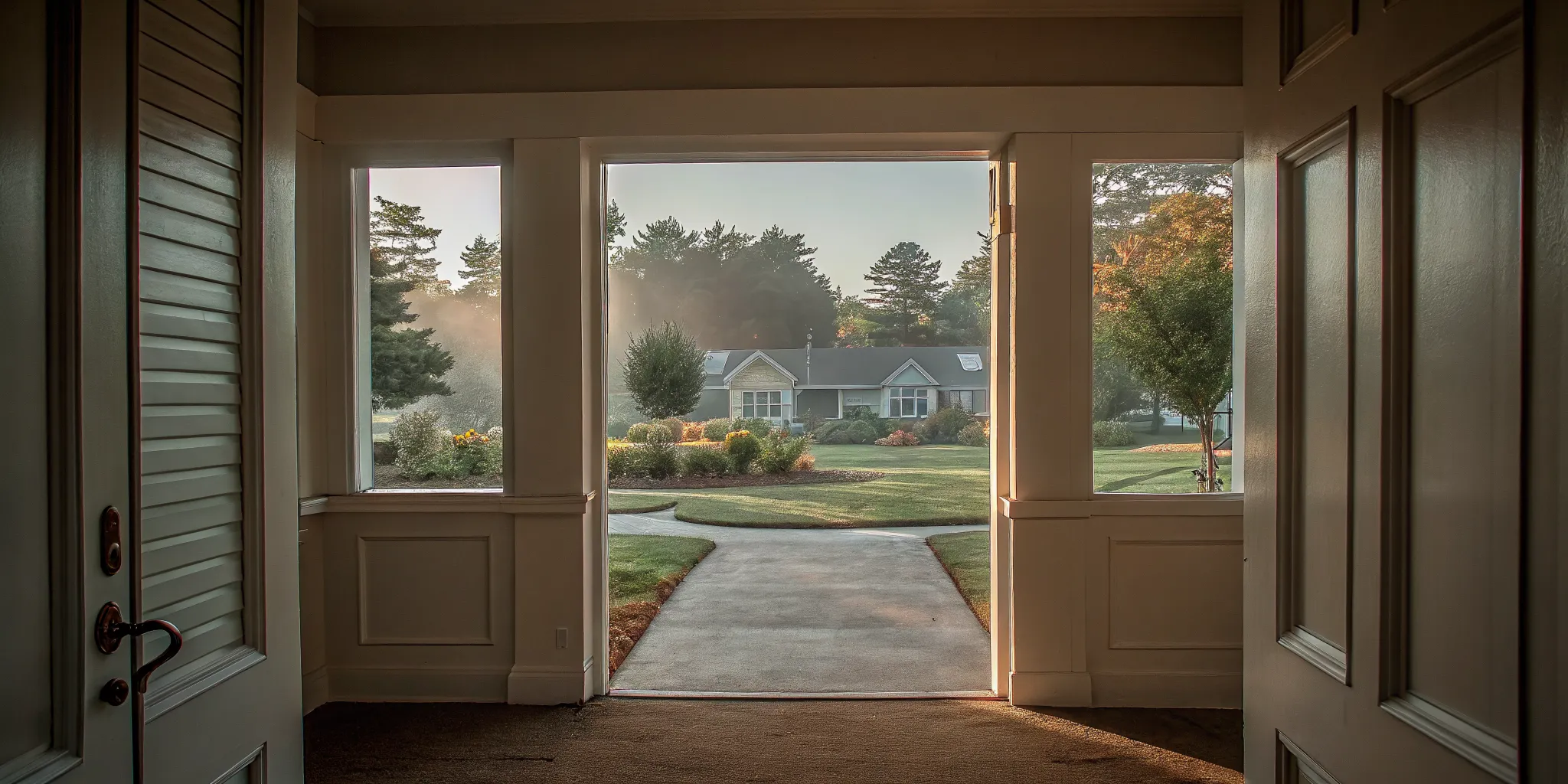
Residential care may suit adults who need a structured 24-hour setting and more support than an outpatient schedule can provide. A clinical assessment helps determine fit based on the person’s needs, safety, recovery environment, and treatment history.
People exploring this level of care may have experienced repeated relapse, complex substance use concerns, an unstable recovery environment, or co-occurring mental health conditions. The right recommendation is always individualized. Speak with admissions for confidential next-step guidance.
What to Compare When Choosing a Massachusetts Program
Use these criteria to compare programs carefully. Ask each provider how its approach applies to your specific needs.
Ask how assessment, medical oversight, psychiatric support, and care planning are handled.
Confirm whether mental health and substance use concerns are treated together.
Review clinician qualifications and the evidence-based approaches offered.
Consider confidentiality, comfort, routines, and the level of 24-hour structure.
Ask how loved ones may participate and how the care continuum is planned.
Look for clear benefits verification, licensing or accreditation, and responsive admissions support.
Clinical and Medical Support
Ask who completes the clinical assessment, what medical and psychiatric oversight is available, and how the team personalizes treatment as needs change.
Co-Occurring Mental Health Care
If mental health symptoms are present, compare whether the program offers integrated co-occurring disorders treatment.
Privacy, Environment, and Daily Structure
Review how the program protects confidentiality and creates a stable daily routine in a comfortable residential setting.
Aftercare and the Continuum of Care
Ask how discharge decisions are made and how aftercare planning supports the next stage of recovery.
Insurance and Admissions Support
Choose a team that explains the admissions process, verifies benefits, and clearly states that coverage varies by plan and clinical need.
How Shore Point Meets the Comparison Criteria
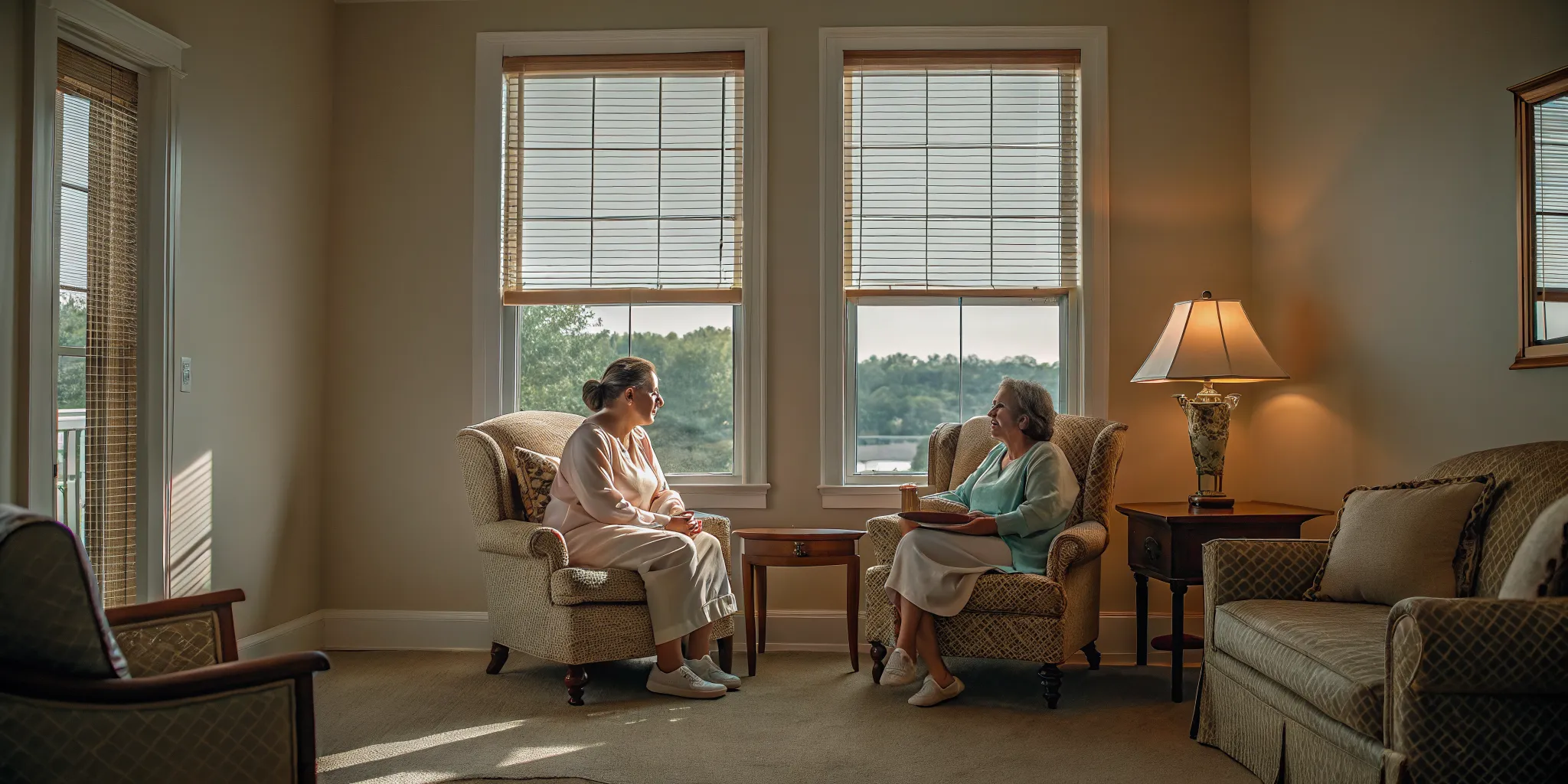
Shore Point Recovery provides individualized care in a private, non-hospital residential setting with 24-hour structure. Treatment includes medical and psychiatric oversight and evidence-based modalities such as cognitive behavioral therapy and dialectical behavior therapy.
Integrated co-occurring support, privacy-focused care, and thoughtful aftercare planning help connect each person’s treatment experience to the next appropriate step. Shore Point Recovery has earned The Joint Commission Gold Seal of Approval. Explore the residential treatment program for detailed program information.
How Residential Care Connects With Detox and Aftercare
Residential care is one part of a broader care continuum. Some people may need medical detox before entering residential treatment so withdrawal can be addressed in an appropriate setting. Others may begin residential care without detox after an individualized assessment.
Before discharge, the team develops an aftercare plan based on progress, clinical needs, and the person’s recovery environment. This may include recommendations for continuing treatment, recovery supports, and follow-up care.
Verify Insurance and Speak With Admissions
Insurance benefits for residential addiction treatment vary by plan, provider network, and clinical need. Verification can help you understand available benefits, but it is not a guarantee of coverage.
Shore Point’s admissions team can answer questions, review your situation confidentially, and help clarify possible next steps.
Admissions Next Steps
Share your concerns and ask questions without pressure.
The team can verify benefits and discuss clinical considerations.
Receive guidance based on the individual situation and available options.
Frequently Asked Questions
What should I compare when choosing a residential addiction treatment program?
Compare clinical assessment, medical and psychiatric oversight, evidence-based therapies, co-occurring care, staff credentials, privacy, family support, aftercare planning, insurance verification, accreditation, and admissions responsiveness.
How do I know if residential care may fit?
A clinical assessment is the best way to determine fit. Residential care may be considered when someone needs a structured 24-hour setting, has experienced repeated relapse, has complex needs, or lacks a stable recovery environment.
Does insurance cover residential treatment?
Coverage varies by plan, network, and clinical need. Benefits verification can clarify what a plan may cover, but it does not guarantee coverage.
What if detox is needed first?
If withdrawal risks or symptoms make detox appropriate, admissions can help discuss whether medical detox should come before residential care.
How are co-occurring conditions addressed?
Integrated co-occurring care considers mental health and substance use concerns together as part of an individualized treatment plan.
What happens after residential treatment?
Aftercare planning helps identify appropriate continuing treatment, recovery supports, and follow-up care based on progress and ongoing needs.
Take the Next Step With Shore Point Recovery
Choosing residential treatment is a personal decision. Shore Point Recovery can help you understand options, verify benefits, and consider the next appropriate step in a confidential conversation.