

-
 Written By:
Shore Point Team
Written By:
Shore Point Team
-
 Edited By:
Shore Point Team
Edited By:
Shore Point Team
-
 Clinically Reviewed By:
Erin Andrade, LICSW
Clinically Reviewed By:
Erin Andrade, LICSW
How long cocaine stays in your system depends on the test, the substance being measured, the amount and pattern of use, and individual health factors. Urine often detects cocaine metabolites for about two to three days, while saliva usually detects recent use for about one to two days. Blood has a shorter window, and hair can show exposure for months. These are general ranges, not guarantees.
Contact Shore Point Recovery to discuss confidential, medically supervised support.
How long does cocaine stay in your system?
Short answer: Cocaine itself is processed relatively quickly, but its metabolites can remain detectable longer. A urine test commonly detects cocaine metabolites for two to three days, saliva for about one to two days, and blood for a shorter period. Hair testing may identify exposure for months. Test type, cutoff levels, use pattern, and health all affect the result.
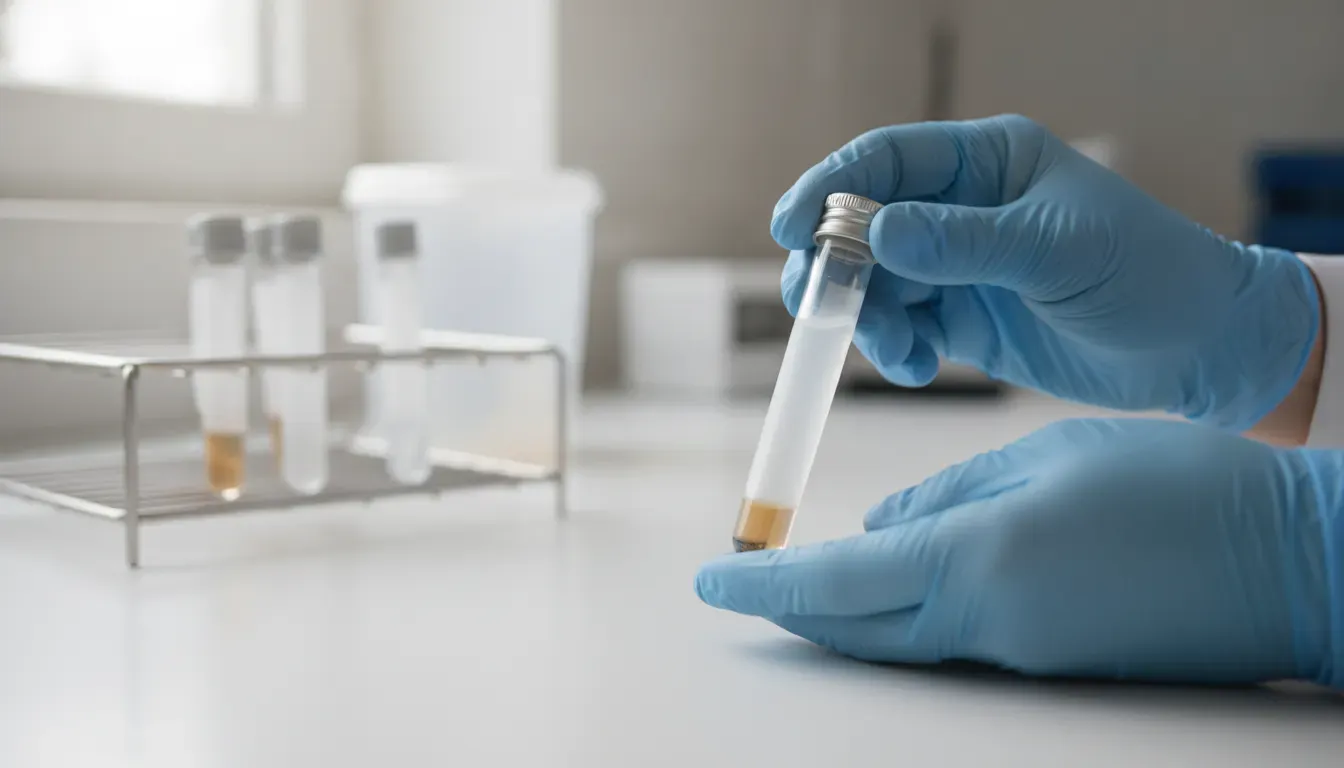
Drug tests do not all look for the same thing. Some tests look for cocaine itself, while many look for benzoylecgonine, a primary metabolite made when the body breaks cocaine down. A person may no longer feel the drug’s effects and still have a positive result because metabolites remain in a specimen.
The table below provides a practical overview. It should not be used to predict an individual result or to decide whether someone is safe to drive.
| Test type | General detection window | What to know |
|---|---|---|
| Urine | About 2 to 3 days | Most common testing method; heavy or repeated use may extend the window. |
| Blood | Usually hours to about 1 to 2 days, depending on the analyte | Often used to evaluate more recent exposure; cocaine and metabolites do not persist equally. |
| Saliva | About 1 to 2 days | Usually reflects recent use and varies with the test and collection method. |
| Hair | Months | Provides a longer historical window, but timing and reliability depend on the sample and laboratory method. |
These ranges are based on medical testing references, including the University of Rochester Medicine’s cocaine screen overview and a peer-reviewed review of cocaine detection and metabolism in PubMed Central. A laboratory or qualified clinician is the right source for interpreting a specific result.
How long can cocaine be detected in urine?
Urine is the most common specimen for cocaine testing. A urine screen often detects cocaine metabolites for two to three days after use. In people who use cocaine heavily or repeatedly, a positive result may last longer, in some cases up to about two weeks. The exact result depends on the test and the person’s pattern of use.
Why urine tests often detect a metabolite
Urine testing commonly looks for benzoylecgonine rather than only the original cocaine molecule. This helps explain why the effects may wear off before a test becomes negative. The laboratory also uses a cutoff concentration. A result below that cutoff may be reported as negative even though a small amount of a substance or metabolite is present.
What a positive or negative urine result can and cannot show
A positive result generally means the tested substance or metabolite was found above the laboratory’s reporting threshold. It does not establish the exact time of use, the amount used, the person’s level of impairment, or whether the person has a substance use disorder.
A negative result is not proof that cocaine was never used. It may mean the level was below the test cutoff, the detection window passed, the specimen was not suitable for testing, or the test did not include the substance being considered. The National Institute on Drug Abuse explains that screening tests can produce false positives or false negatives and that positive screens may require confirmatory testing.
What are the blood, saliva, and hair detection windows?
Blood and saliva generally detect more recent cocaine exposure than urine, while hair provides a much longer historical window. Blood may detect cocaine or its metabolites for hours to roughly one or two days, saliva for about one to two days, and hair for months. Each specimen has different limits and should be interpreted by a laboratory professional.
Blood testing
Blood testing is most useful when a clinician needs information about recent exposure. Cocaine and its metabolites can change or break down in a blood sample, and the result depends on what the laboratory measures. Because the window is relatively short, a blood result cannot reliably answer every question about past use.
Saliva testing
Saliva testing is less invasive than urine collection and may detect cocaine or its metabolites for roughly one to two days. The University of Rochester notes that saliva results vary with the collection process, laboratory method, and timing. A saliva result should not be treated as a precise timestamp.
Hair testing
Hair testing can identify a longer history of exposure than blood, saliva, or urine. It may detect cocaine for months, but the test does not become informative immediately after use. Hair growth, sample length, cosmetic treatment, contamination controls, and laboratory technique can all affect interpretation. A hair result also does not prove when a specific dose was taken.
What factors change how long cocaine is detectable?
No single estimate applies to everyone. Detection can vary with the amount used, repeated or heavy use, the time since last use, the specimen tested, the laboratory cutoff, metabolism, organ function, and other substances taken. The only dependable way to interpret a result is to consider the actual test and clinical context.
- Amount and frequency: Larger amounts and repeated use may produce more metabolites and extend the time before a specimen falls below a reporting cutoff.
- Time and test type: A test taken soon after use answers a different question than a test taken several days later. Blood, saliva, urine, and hair do not provide interchangeable windows.
- Metabolism and health: Individual processing of a substance varies. Health history and organ function may affect how the body handles drugs and metabolites.
- Laboratory method: Screening and confirmatory tests have different capabilities, and cutoff levels influence whether a result is reported as positive or negative.
- Other substances: Mixing cocaine with alcohol, opioids, or other drugs can increase medical danger and make symptoms harder to interpret. It can also change what a clinician needs to evaluate.
Hydration, sweating, exercise, or a commercial detox product cannot make the timing predictable. Drinking excessive water can be dangerous, and attempts to alter a specimen may create an invalid result rather than a safe one.
Learn about medically supervised drug detox and safety-focused support at Shore Point Recovery.
Can you flush cocaine out of your system faster?
There is no reliable or safe home method that guarantees cocaine or its metabolites will leave the body by a certain time. Detox drinks, excessive water, supplements, fasting, and intense exercise cannot provide a dependable negative test or prove that someone is no longer impaired. Medical evaluation is safer than trying to manipulate the timeline.
The body needs time to process cocaine and its metabolites. Home remedies may distract from urgent symptoms, worsen dehydration, or delay care. If a test matters for employment, court, treatment, or another formal purpose, follow the testing program’s instructions and ask the responsible medical or laboratory professional how results are handled.
Do not use a guessed detection window to decide that it is safe to drive, operate equipment, supervise a child, or make another high-consequence decision. A negative test does not measure every form of impairment, and a positive test does not identify the exact moment of use.
Is it safe to drive after using cocaine?
No simple timeline can establish that driving is safe after cocaine use. A person may feel less stimulated while still experiencing impaired judgment, anxiety, agitation, fatigue, or other effects. Do not drive after using cocaine. Arrange a sober ride, stay with a trusted person, or seek emergency help if symptoms are severe.
Cocaine affects the central nervous system and can raise heart rate and blood pressure. The Centers for Disease Control and Prevention describes cocaine as a stimulant associated with cardiovascular and temperature-regulation complications. Feeling alert is not the same as being safe to drive.
If you are worried about a recent use episode, focus first on safety rather than trying to calculate a test result. Do not take more cocaine to counter fatigue, and do not combine substances to change how you feel. Ask a clinician or emergency professional for guidance.
When is cocaine use a medical emergency?
Call 911 or seek emergency care for chest pain, trouble breathing, a very fast or irregular heartbeat, seizure, loss of consciousness, severe agitation or confusion, high body temperature, blue or gray skin, or signs of a stroke. Do not wait for a detection window to pass. Tell responders what was taken if you can do so safely.
- Chest pain, pressure, or symptoms that could indicate a heart problem
- Difficulty breathing, blue lips, or unusual skin color
- Seizure, collapse, loss of consciousness, or inability to wake the person
- Severe confusion, agitation, paranoia, or dangerously high temperature
- Sudden weakness, numbness, severe headache, trouble speaking, or other stroke-like symptoms
- Repeated vomiting, a very fast heartbeat, or an irregular heartbeat
The MedlinePlus overview of cocaine intoxication lists seizures, loss of awareness, high body temperature, abnormal heart rate, and breathing difficulty among serious symptoms. Keep the person in a safe place, do not leave them alone, and follow the emergency operator’s instructions.
What should you do if cocaine use is becoming difficult to control?
If cocaine use is affecting health, relationships, work, or safety, a confidential clinical assessment can help identify the right level of support. Treatment may address cravings, mental health, other substance use, and relapse risks together. You do not need to wait for a positive test, a crisis, or a severe withdrawal experience before asking for help.
Shore Point Recovery’s existing cocaine addiction treatment information explains how structured care may address cocaine use and related risks. If you are comparing symptoms after stopping, the cocaine withdrawal timeline provides separate information about mood, sleep, fatigue, and cravings. Those topics are related to detection, but they are not the same question.
For national treatment referrals and information, the SAMHSA National Helpline is a confidential resource. If you are in immediate danger or have emergency symptoms, call 911 instead.
Contact Shore Point Recovery admissions to discuss next steps in a confidential setting.
Frequently asked questions
How long does cocaine stay in your urine?
Urine commonly detects cocaine metabolites for about two to three days. Heavy or repeated use may extend the window, and some medical references report positive results for up to about two weeks in heavy users. The laboratory method and cutoff matter.
Which test detects cocaine for the longest time?
Hair testing generally has the longest detection window and may identify exposure for months. It is not an immediate test after use, and it cannot provide an exact date or prove when a particular dose was taken.
Can drinking water make a cocaine test negative?
No. Excessive water is not a safe or dependable way to clear cocaine or its metabolites. It may dilute a urine specimen or create a medical emergency. Test results should be handled through the testing program and a qualified professional.
Does a negative test mean someone is sober?
No. A negative result only means the substance or metabolite was not detected above that test’s reporting threshold. It does not measure every type of impairment or prove that driving and other risky activities are safe.
What does cocaine show up as on a drug test?
Many tests report cocaine exposure by detecting benzoylecgonine, a cocaine metabolite. The exact report depends on the specimen, test panel, screening cutoff, and whether confirmatory testing was performed.
Key safety takeaway
Detection windows can help explain how testing works, but they cannot predict one person’s result or make a driving decision for them. Do not rely on home detox methods or a simple estimate. If there are emergency symptoms, call 911. If cocaine use is becoming difficult to control, seek confidential medical support early.