
-
 Written By:
Shore Point Team
Written By:
Shore Point Team
-
 Edited By:
Shore Point Team
Edited By:
Shore Point Team
-
 Clinically Reviewed By:
Erin Andrade, LICSW
Clinically Reviewed By:
Erin Andrade, LICSW
If you’ve recently completed a medical detox and are wondering why cravings feel stronger, you are not alone. Opioid cravings after detox are not uncommon. This is because detox only addresses physical dependence and not how opioids have affected your brain functioning.
Cravings do not go away immediately after opioids leave the body. As the brain needs time to readjust, it still seeks the pleasurable effects that opioids once provided. Thus, cravings may continue for weeks or months. Cravings may be occasional or persistent, but both bring immense discomfort. However, with ongoing support and relapse prevention plans, cravings can be managed appropriately.
Key takeaways:
Medical detox clears out opioids from the body, thus stabilizing the person physiologically; however, it is just the beginning of recovery. Cravings may continue beyond detox because the brain still needs time to adjust to functioning without opioids. The brain may miss the pleasurable effects of opioids for some time, causing urges that persist longer.
Individuals may experience unexpected cravings when exposed to certain people, places, memories, or stressful situations. It may remind them of past opioid use and the comfort it provided. This is a normal part of recovery and does not mean treatment has failed.
Because cravings can continue after detox, ongoing support is often important. Personalized therapy, access to support groups, and learning healthy coping strategies can help individuals manage cravings and stay focused on their recovery goals. |
What Are Opioid Cravings?
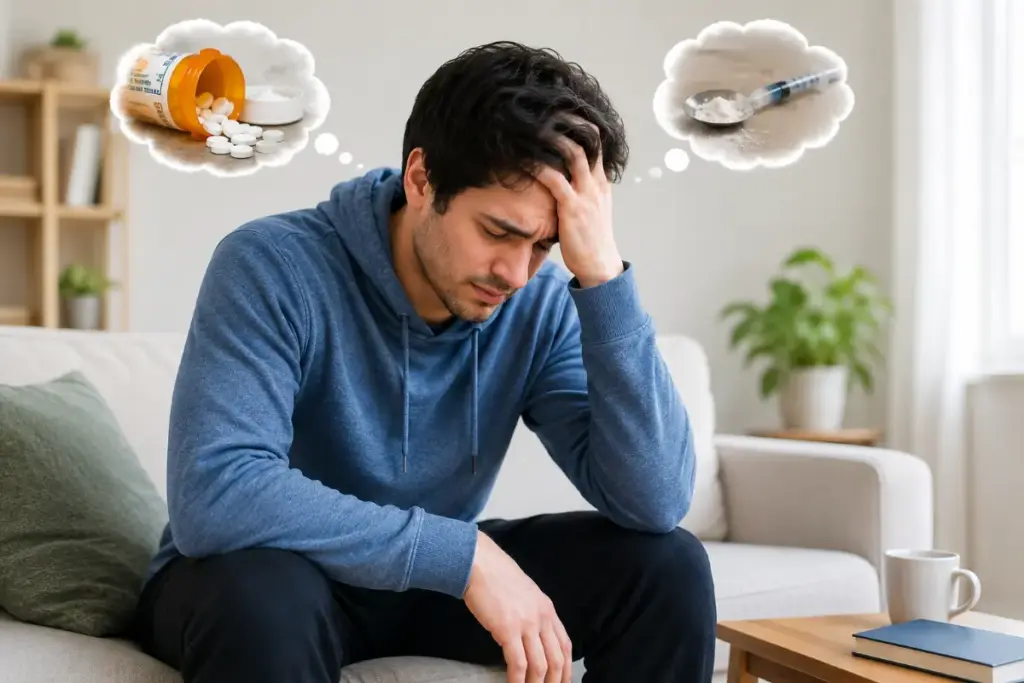
Opioid cravings are intense urges to use opioids that are difficult to resist. These cravings can happen during recovery, while undergoing medical detox, and even afterward. These cravings can be triggered by stress, or seeing someone taking opioids, and even places that remind the person of past opioid use.
Many people experience lingering cravings even after they have accomplished a thorough detox. But why? It is because detox helps to remove opioids from the body by safely managing withdrawal symptoms; it does nothing to the brain functioning that has been altered due to prolonged opioid addiction. The brain may still remember the euphoric effects of opioids and trigger occasional or persistent urges that are hard to resist.
According to NIH-backed research references, opioid cravings are the primary risk factors for individuals to return to opioid misuse, and thereby the treatment targets are preventing a relapse and improving their quality of life.
How Do Opioid Cravings Feel?
Opioid cravings feel like strong urges to use opioids again after a period of abstinence. These cravings are overwhelming, and the individual may think about opioids or imagine how past opioid use had helped them cope with life’s challenges. As cravings are most psychological, some individuals may find themselves enormously restless, anxious, and depressed when cravings linger, and they are unable to resist them.
Signs of Opioid Cravings
- Having a desire to use opioids
- constantly thinking about past drug use
- Difficulty focusing on daily tasks
- Feeling restless and irritable
Why Do Opioid Cravings Continue After Detox?
There are several reasons that cause cravings even after an opioid detox:
The Brain Needs Time to Recover
One of the foremost reasons why cravings still linger after detox is that the brain needs time to heal. With prolonged opioid use, the brain gradually adapts to opioid presence and begins to rely on them to feel good and relax in times of stress.
But when someone is recovering from Opioid Use Disorder and has already undergone a detox, only withdrawal reactions are minimized, but the brain healing doesn’t happen overnight. Recovery is gradual, and cravings can be a normal part of the brain’s adjustment as it learns to function without opioids.
Environmental Triggers Can Reactivate Cravings
Cravings after detox can surface when the person is reminded of past use through daily triggers. Certain people, places, or situations may act as powerful reminders and cause stronger urges to use opioids again. Example: walking past a restaurant can remind the individual of an old friend they used to meet there while using opioids, bringing back memories and emotions associated with substance use.
Emotional And Mental Health Challenges
Many people recovering from opioid use disorder may also experience other mental health challenges, such as anxiety, persistent low mood, loneliness, and irritability during their recovery journey.
These overwhelming feelings may remind them of how opioids seemed to provide temporary relief in the past, leading to urges to use again. Cravings may become more intense when life stressors begin to feel overwhelming, and the individual consistently misses opioids as an escape route.
Post-Acute Withdrawal Syndrome (PAWS)
Individuals recovering from opioid addiction often experience PAWS, even after the most noticeable withdrawal symptoms have reduced. Post-acute syndrome refers to lingering psychological symptoms of withdrawal.
This phase brings back lingering cravings that can persist for weeks or months as the brain and body continue to recover from opioid dependence. Along with cravings, the individual also experiences mood swings, sleep disturbances, fatigue, and mental restlessness.
Habit Formation and Learned Behaviors
At times, cravings can come back at certain times of the day, or while doing certain activities, because prolonged and repeated opioid use has led to habit formation. The brain has learned to associate certain emotions, activities, and situations with opioid use, and when these resurface again in daily life, the individual misses opioids, and cravings begin.
For example, a person may experience cravings after returning from work, when feeling sad, because these moments were previously linked to opioid use. After detox, since the brain is still adjusting to the absence of opioids, it automatically expects the drug in certain situations.
How Long Do Opioid Cravings Last?
The duration and intensity of opioid cravings may vary from one person to another. There is no fixed timeline, and various factors determine whether cravings become occasional discomfort or persistent distress.
Factors affecting cravings duration:
- Prolonged opioid use may lead to cravings that last longer during recovery.
- People who take higher doses of opioids may feel stronger or more persistent cravings.
- The type of opioid used may affect the intensity and duration of cravings.
- Mental health conditions such as anxiety, depression, or PTSD can make cravings intense and difficult to manage.
- Lack of adequate support system at home can lead to stress, emotional overwhelm; creating lingering cravings.
Cravings Timeline
First Week After Detox
Within the first few days after detox, the individual may experience stronger and more persistent cravings. As the brain and body gradually recover from the absence of opioids, the frequent urge keeps coming back and causes mental distress.
First Month of Recovery
During the first month, cravings may still occur more often than one can expect. Any emotional ups and downs and environmental triggers can continue to contribute to urges.
Three to Six Months After Detox
At this point, most people notice that cravings occur less frequently. However, sudden triggers, stress, or difficult moments in life can still lead to occasional urges to use opioids.
Long-Term Recovery and Occasional Cravings
Some individuals may experience occasional cravings even after months or years of recovery. These urges are less intense, occasional, controllable, and can be reduced with appropriate coping skills.
How to Manage Opioid Cravings After Detox
Opioid cravings after detox can be managed with a structured residential treatment plan that mainly includes personalized one-to-one counseling, relapse prevention planning, and access to peer support groups. In some cases, medications may also be recommended to help reduce cravings and support recovery.
Medication-Assisted Treatment (MAT)
Medication-Assisted Treatment (MAT) is one of the best ways to reduce opioid cravings during and after detox. MAT supports long-term recovery because this treatment uses medications such as buprenorphine and methadone that are long-acting opioids, slowly stabilizing brain functions without causing euphoric high.
These medications reduce the intensity of withdrawal symptoms as well as reduce cravings. Naltrexone also blocks the effects of opioids and helps prevent relapse. When prescribed and monitored by a healthcare professional, these medications can be very effective in reducing cravings.
Evidence-based Therapies
Outpatient support programs offer continued therapy, and there are several behavioral therapies used in opioid addiction treatment. Individuals work with licensed therapists who help them understand the thoughts, emotions, and situations that contribute to cravings. Cognitive Behavioral Therapy (CBT) helps to alter negative thought patterns and teaches practical skills for identifying triggers.
Dialectical Behavior Therapy (DBT) focuses on improving a person’s emotional regulation during stressful times, helping them tolerate distress and cope with difficult feelings. Motivational Interviewing can support individuals in maintaining their commitment toward recovery.
Build a Relapse Prevention Plan
Opioid cravings can be significantly reduced after detox if a relapse prevention plan is followed to manage cravings when they arise. The individual can easily identify triggers and apply healthy coping strategies in stressful situations. They may also contact trusted people during difficult moments. A well-prepared plan can help individuals respond to cravings before they become intense and overwhelming.
Healthy Lifestyle Habits
An essential element of opioid relapse prevention is building healthy daily habits that can support both physical and emotional recovery. Engaging in regular exercise and using relaxation tools can improve mood and reduce stress. To address cravings, the individual should focus on healthy meals that support faster recovery. Maintaining good sleep hygiene also improves mood and reduces stress, helping individuals manage cravings.
Support Groups and Peer Support
Recovery can feel less lonely and overwhelming when individuals have support from others who have lived through similar experiences. Recovery communities and peer support groups provide encouragement, accountability, and practical coping strategies.
When Do Cravings Become a Relapse Risk?
Opioid cravings can become a relapse risk if it’s intense, persistent, and cause significant psychological distress to the individual.
The risk of relapse may increase if:
- Cravings are difficult to ignore
- Constant thoughts about past use
- Withdrawing from family and friends or recovery support networks.
- Missing therapy sessions or medical checkups
- No longer attending support group meetings.
- Experiencing sudden changes in mood, such as increased irritability, anxiety, or sadness.
- Reconnecting with people who were involved in past opioid use
What to Do If Cravings Feel Overwhelming?
After completing medically supervised detox, if someone notices changes in their behavior and their cravings feel intense, they can quickly take certain steps to see if cravings reduce.
- Reach out to a trusted friend, family member, sponsor, or counselor for support.
- Remove yourself from situations or environments that trigger cravings.
- Try coping with deep breathing, walking, or mindfulness exercises.
- Distract with a positive activity until the craving passes.
- Seek professional help if cravings feel unmanageable.
Frequently Asked
Questions about Opioid Cravings After Detox
Is it normal to have opioid cravings after detox?
Is it normal to have opioid cravings after detox?
Yes, it is normal to experience cravings after detox. Detox helps to remove opioids from the body, but does not treat psychological dependence. As the brain gradually adjusts without opioids, cravings can continue and are a common part of recovery.
What triggers opioid cravings during recovery?
What triggers opioid cravings during recovery?
Some of the common triggers include stress, anxiety, and certain people or places associated with previous drug use, which can act as drug-related reminders, causing cravings.
What can I do when an opioid craving feels overwhelming?
What can I do when an opioid craving feels overwhelming?
When opioid cravings feel intensely overwhelming, you can talk to a trusted friend or family member, attend a support group, distract yourself by engaging with some other work, or contact a treatment professional.
Can treatment help reduce opioid cravings after detox?
Can treatment help reduce opioid cravings after detox?
Yes, opioid addiction treatment, including medication-assisted treatment, behavioral therapies, and association with a peer support group, can help reduce cravings and support long-term recovery.