

-
 Written By:
Shore Point Team
Written By:
Shore Point Team
-
 Edited By:
Shore Point Team
Edited By:
Shore Point Team
-
 Clinically Reviewed By:
Erin Andrade, LICSW
Clinically Reviewed By:
Erin Andrade, LICSW
Knowing what to pack for rehab can make the days before admission feel more manageable. Start with comfortable clothing, basic personal-care items, identification, insurance information, and only medications approved by the admissions team. Because every residential program has its own rules, confirm your final list before arrival.
Speak confidentially with Shore Point admissions before you pack
For residential rehab, pack comfortable clothing, permitted toiletries, a photo ID, insurance information, and approved medications in their original labeled containers. Leave valuables, alcohol, illicit substances, weapons, and unapproved electronics at home. Always ask admissions to confirm the facility-specific packing list before arrival.
Quick checklist: what to pack for rehab
For residential rehab, pack comfortable clothing, basic personal-care items, identification, insurance information, and any approved medications in their original labeled containers. Because permitted items vary by facility, confirm the current packing list directly with admissions before you travel.
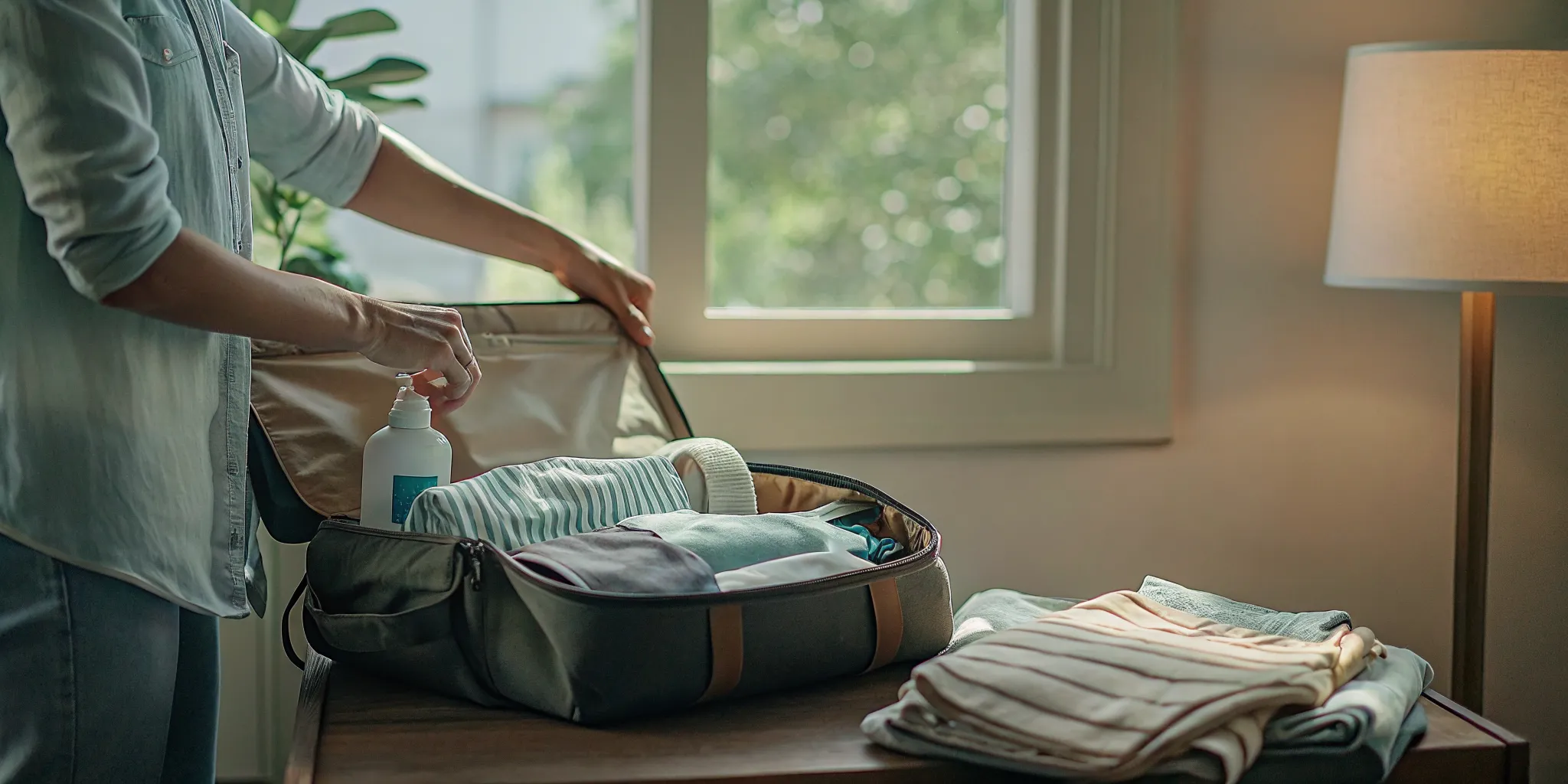
Getting ready for your stay in a residential treatment program can feel like a big task. To make it easier, focus on the basics you may need for about one week. Confirm the recommended amount of clothing and whether towels and laundry services are available before you pack.
Required items and documents
You must bring a few key documents for the preparing for your stay process. These items are vital for your safety and care from the first day you arrive. Please make sure you have a valid photo ID and your current insurance card. You should also bring any pharmacy benefit cards you have to ensure your care is seamless.
If you take prescribed medicine, bring it in its original pharmacy bottle with a clear label. This helps us manage your health safely and accurately. According to Shore Point guidance, you should also bring enough medicine to last through the first few days of your transition. Our team will review all items you bring to keep the environment safe for everyone.
Clothing and daily essentials
Pack enough casual clothes for about 7 to 10 days. Most people find that soft shirts, jeans, and sneakers work best for daily therapy sessions and rest. Since many centers are now 100 percent smoke-free, as noted by the CDC, you may want to skip packing tobacco items entirely. We also suggest leaving large amounts of cash or expensive jewelry at home to keep your mind on your growth.
Confirming with your facility
Every facility has its own rules for what you can and cannot bring. Before you finish packing, check your specific admissions letter or call our team. We are here to answer any questions you have about your admissions information or travel needs. Checking these details early helps ensure a smooth start to your journey.
Documents and information to bring
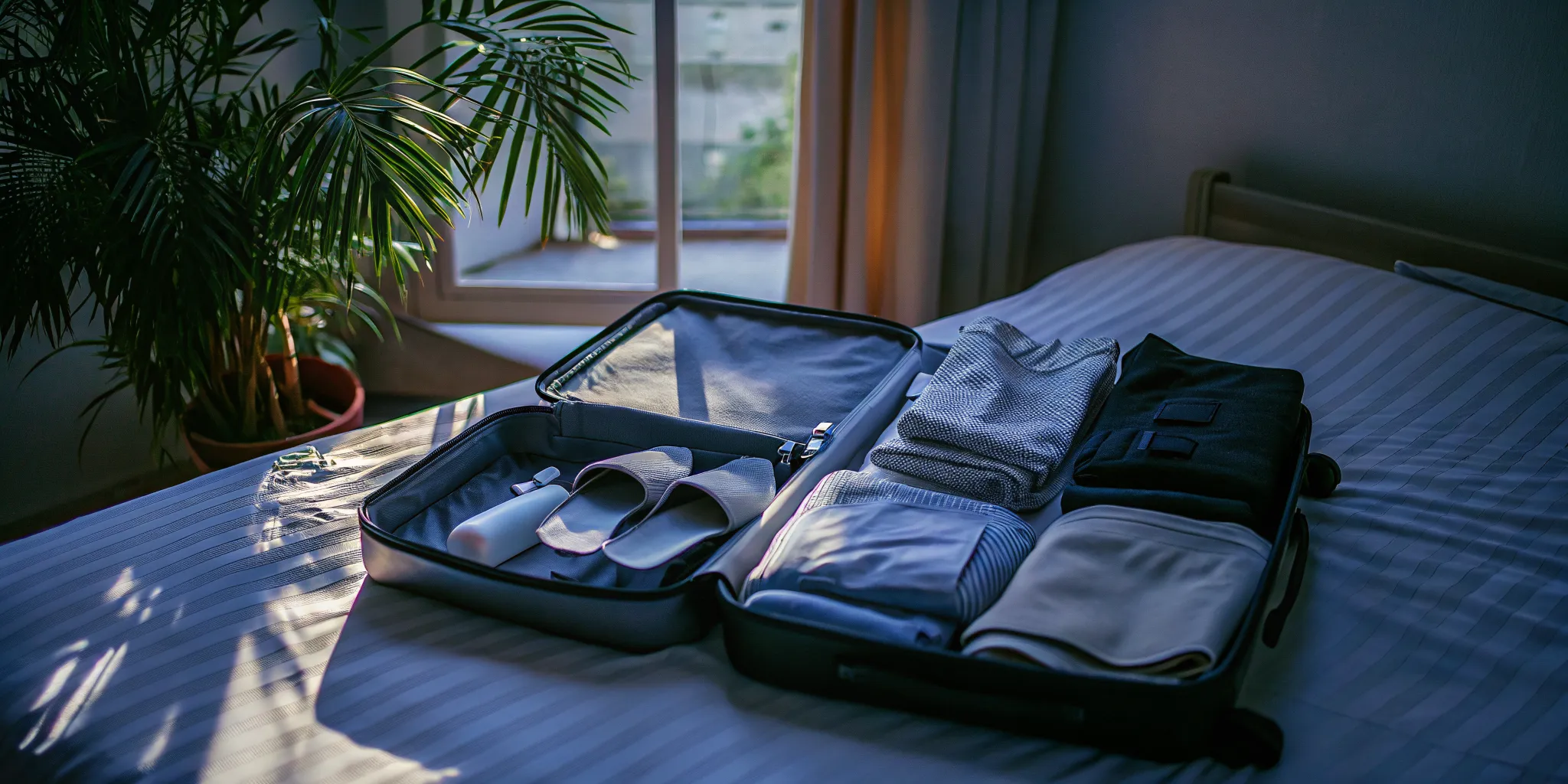
Bring a government-issued photo ID, current insurance card, pharmacy benefit details, emergency-contact information, and a written medication list. Admissions can tell you whether any additional records are needed for your individual intake.
At Shore Point, we make it easy. Entering a recovery program is a big step toward a new life. Having the right paperwork ready helps you focus on your health instead of stress. We want your start to be as smooth as possible.
Certain personal records may be needed for the admissions process. Contact the admissions team to confirm your specific needs before you arrive.
Identity and insurance cards
One of the first things you will need is a way to verify your identity. You should bring a valid government-issued photo ID, such as a driver’s license or passport. This is needed for your medical records and for legal safety.
You also need to bring your current health insurance card to ensure your plan is active. If you have separate pharmacy benefit info, please bring those details as well. These cards are key for a quick start to your care.
Knowing your plan details helps our staff manage your care without any delays. We can help you understand your plan when preparing for your stay at our facility. This is an essential part of what to pack for rehab to avoid any billing issues later.
Having these cards ready will make the intake process much faster and easier. It also ensures that we have the right info to work with your insurance provider from day one. This helps us focus on your treatment right away.
Medical history and medication lists
Your medical safety is our primary concern during your time with us. You must bring all your current meds in their original pharmacy bottles. These bottles must have clear labels with your name and the correct dose.
This helps our medical team manage your meds safely and avoid any errors. It is also a good idea to bring a written list of all your meds and doses. This acts as a backup in case any labels are hard to read.
In addition to your meds, please bring a summary of your medical history. This should include any past surgeries, long-term health issues, and a list of your allergies. Providing this info allows our team to tailor your care plan to your unique health needs.
Accurate records help us give you the best care from the moment you start your journey. We want to ensure that every part of your treatment is safe and based on your health history. This gives you peace of mind during your stay.
Important contacts and facility rules
You should bring a written list of names, addresses, and phone numbers for your inner circle. This list should include your family members, close friends, and your primary care doctor. Having these numbers on paper is helpful because you may not have access to your cell phone right away.
This ensures you can still reach out to your support system when needed. It also helps our staff know who to call in case of an emergency or for updates you approve. Keeping this list simple and clear is best.
Finally, it is helpful to review the specific rules of the facility before you pack. For instance, many inpatient programs now have smoke-free campus rules to promote a healthier space for all patients.
Knowing these rules in advance helps you avoid bringing items that are not allowed. Always talk to our admissions staff if you have any questions about what to pack for rehab. We are here to help you feel ready and at ease as you begin your recovery.
Clothing and personal-care essentials
Choose comfortable, modest clothing that works for therapy, recreation, sleep, and changing weather. Pack only enough for the period admissions recommends, and ask which toiletries are permitted before buying or packing them.
Packing for treatment should feel like a simple step in your journey to health. When deciding what to pack for rehab, the main goal is comfort. Our luxury center in the Boston area offers a calm place where you can focus on yourself. We want you to feel at ease during therapy and rest times. Choosing the right items helps you stay relaxed while you take part in our residential treatment program.
What to pack for your stay
You do not need to bring your whole closet. Most experts suggest that you bring enough clothes for about 7 to 10 days. We offer laundry services on site, so you can wash your items as needed. This helps you keep your bags light and easy to manage. Focus on pieces that you can layer, as the weather near Boston can change quickly. It is best to pack items that are easy to move in and soft on the skin.
A good packing list for your clothes includes:
- Comfortable shirts and t-shirts
- Sweatpants, leggings, or jeans
- A light jacket or sweater
- Enough socks and underwear for one week
- Sneakers or flat walking shoes
- Sleepwear and a robe
Personal care and hygiene
Your daily routine helps you feel like yourself. We give you towels and basic items, but you may want to bring your own brands. It is vital to check the labels on your soaps and lotions before you come. Many centers have strict rules about what is allowed for safety reasons. For example, some centers maintain smoke-free campus policies to help every person live a healthier life.
Ask whether toiletries need to be new and unopened. Products that contain alcohol, including some mouthwash or hand gels, and aerosol cans may be restricted. Confirm the rules before choosing pump sprays or solid alternatives.
Quantity and modesty guidelines
We want everyone to feel safe and respected during their time with us. This means your clothes should be modest and fit well. Avoid items that are too tight, short, or have low cuts. It is also wise to leave clothes with logos that show drugs or alcohol at home. These can be triggers for others. When you are preparing for your stay, think about what makes you feel calm and ready.
Keep your pricey items at home. Our space is built to be a low-stress zone without many things to pull your focus. While you will have a safe place for your things, it is best to only bring what you need for daily life. Our team is here to help if you have questions about specific items. We are ready to support you 24/7 as you get ready for this new start.
How should you prepare medications?
Before arrival, tell admissions about every prescription, over-the-counter medication, vitamin, and supplement you use. Keep approved medications in their original labeled containers, and follow the facility’s instructions about quantities and check-in procedures.
When you are preparing for your stay, you might feel stressed about your health needs. Keeping your medicine safe is a main goal for any care center. You need to make sure your move is smooth and that your care stays on track from the first day.
Managing your prescriptions
Most centers ask that you bring any drugs you take in the bottles from the shop. These should have labels that are easy to read. While this is a common rule in the field, you should check with us to see how we handle your exact needs. Having the right labels helps the staff know what you are taking and why.
- Check every bottle to make sure the label shows your name and the name of the drug.
- Make a full list of your drugs, how much you take, and when you take it during the day.
- Pack enough of your medicine to last at least 30 days to avoid any gaps in your care.
- Bring your insurance and pharmacy cards so the team can help you with any new orders.
- Ask about how to handle refills before you arrive so you do not run out of your medicine.
Medicine lists and refills
Writing down a full list of your health needs is a key part of what to pack for rehab. This list should include any allergies you have to drugs. It is also a good idea to write down the name and phone number of the doctor who gave you the drug. This helps the team at the center talk to your doctor if they have any questions.
You may also need to think about how long it takes to get more medicine. It can take a few days for a new center to order what you need. Bringing your own supply helps make sure you do not miss a dose while they set up your new care plan. This is a simple step that makes a big change in how you feel when you first arrive.
Asking about other products
Many people forget to ask about store-bought items like vitamins or sleep aids. These items often have different rules than drugs given by a doctor. You should ask the staff about what you can bring before you pack them. Some centers have their own stock of these items and may not let you bring your own.
Some centers also follow health rules like smoke-free campus policies to help people stay healthy. If you are entering drug detox, the staff can advise on which comfort items are permitted. If you use nicotine patches or gum, you should check if you need to bring these or if the center gives them to you. Talking to the team ahead of time will help you feel ready and calm for your trip.
What should you leave at home?
Leave alcohol, illicit substances, weapons, expensive valuables, and unapproved electronics at home. Rules for toiletries, tobacco products, medications, and personal devices vary, so ask admissions for the current restricted-items list.
Entering a recovery center is a big step. If you are entering a medical detox program, the packing rules may differ from a residential stay. When you think about what to pack for rehab, safety is the first thing to keep in mind. Most centers have rules about what you can bring to keep everyone safe. These rules also lower the number of things that draw you away. While every center has its own list, some items are almost always on the “no” list.
Restricted items and substances
The most important goal of rehab is to create a safe place. Leave illicit drugs and alcohol at home. Ask admissions about products that contain alcohol, such as certain mouthwashes or perfumes, and how to bring prescribed medications.
Many centers are also becoming smoke-free campuses to help people lead healthier lives. You should ask about the rules for tobacco or vapes before you arrive. Weapons of any kind are strictly banned. This includes pocket knives or tools that could be dangerous.
Personal care and food
Most centers give you the basics you need, like towels and soap. You should leave behind any personal care items that have alcohol in the first few items on the label. Outside food and drinks are also usually not allowed. Centers provide good meals and snacks to make sure you get healthy food.
You should also check the rules about vitamins and supplements. Many centers do not allow them unless they are part of a medical plan. It is better to leave these at home or check with the staff before you pack. If you have questions while preparing for your stay, reach out to the team for help.
Clothing and valuables
When you pack, choose clothes that are comfortable and modest. You should leave behind any shirts that have logos for drugs or alcohol. Many centers also ask you not to bring revealing clothes. The focus is on your work in therapy, so simple, casual outfits are best.
Large amounts of cash and expensive jewelry should stay at home. You will not need much money, and most centers cannot take care of high-value items for you. Laptops and tablets are often limited too. Use this time to unplug from the world and plug into your own growth.
Packing guide at a glance
Use this table to help you decide what stays and what goes. Always talk to the staff if you feel unsure about an item.
| Category | Bring | Confirm First | Leave at Home |
|---|---|---|---|
| Personal Items | Photo ID | Vitamins | Jewelry |
| Clothing | Walking shoes | Revealing tops | Drug logos |
| Electronics | None | Cell phone | Laptops |
| Toiletries | Toothbrush | Mouthwash | Perfume |
| Other | Insurance card | Tobacco | Outside food |
Questions to ask before you arrive
Ask about the permitted-item list, medication procedures, laundry, electronics, toiletries, bedding, arrival time, and transportation. A short call with admissions can prevent delays and help you pack only what your specific program allows.
Ask admissions about permitted medications, clothing quantities, laundry access, toiletries, electronics, valuables, transportation, and arrival timing. Confirming these details directly is the best way to avoid surprises because each treatment facility has its own policies.
Planning for your stay starts with a clear talk with our team. Knowing what to pack for rehab can lower your stress before you even leave home. We are here to help you get ready for our residential treatment program with ease. Here are the top things to ask our staff as you get ready.
What items can I bring?
Most centers have clear rules on what is safe and what is not. Ask about clothing, shoes, personal care items, towels, and soap. Also confirm how much clothing to pack and whether laundry machines or services are available during your stay.
How do you handle medications?
Safety is our top goal when you arrive. You should bring any prescribed meds in their original bottles with clear labels. This helps our team give you the right care from day one. If you have an active script but do not bring it, it may take a few days for the center to get it for you. Asking about this early helps you avoid gaps in your health plan. It also ensures your insurance covers what you need.
What is the rule on phones and tobacco?
A low-distraction zone helps you heal faster. Ask about when you can use your phone or laptop. Some programs have set times for calls so you can stay in touch with your family. You should also check the smoking rules. Many centers now have smoke-free campus policies to support better health for all. Ask if you can bring nicotine patches or other aids if you plan to quit. Knowing these rules ahead of time helps you settle in without any surprises.
What papers do I need for check-in?
Having your papers ready makes your first day go smooth. You will need a valid photo ID and your insurance card to start. Our team can help you with preparing for your stay so you have everything in order. Also, ask about travel help. Our travel concierge can assist you with rides or flights to our site. We want your trip to be as calm as possible so you can start your journey with a clear mind.

Preparing for admission day
On the day before admission, confirm your arrival time, transportation, medication instructions, and emergency-contact details. Pack only approved items, label your bag, and keep identification and insurance information easy to reach.
On the day before admission, review your confirmed packing list, organize your documents and approved medications, check travel plans, and save the admissions team’s contact information. Keep the final hours simple so you can arrive rested and ready.
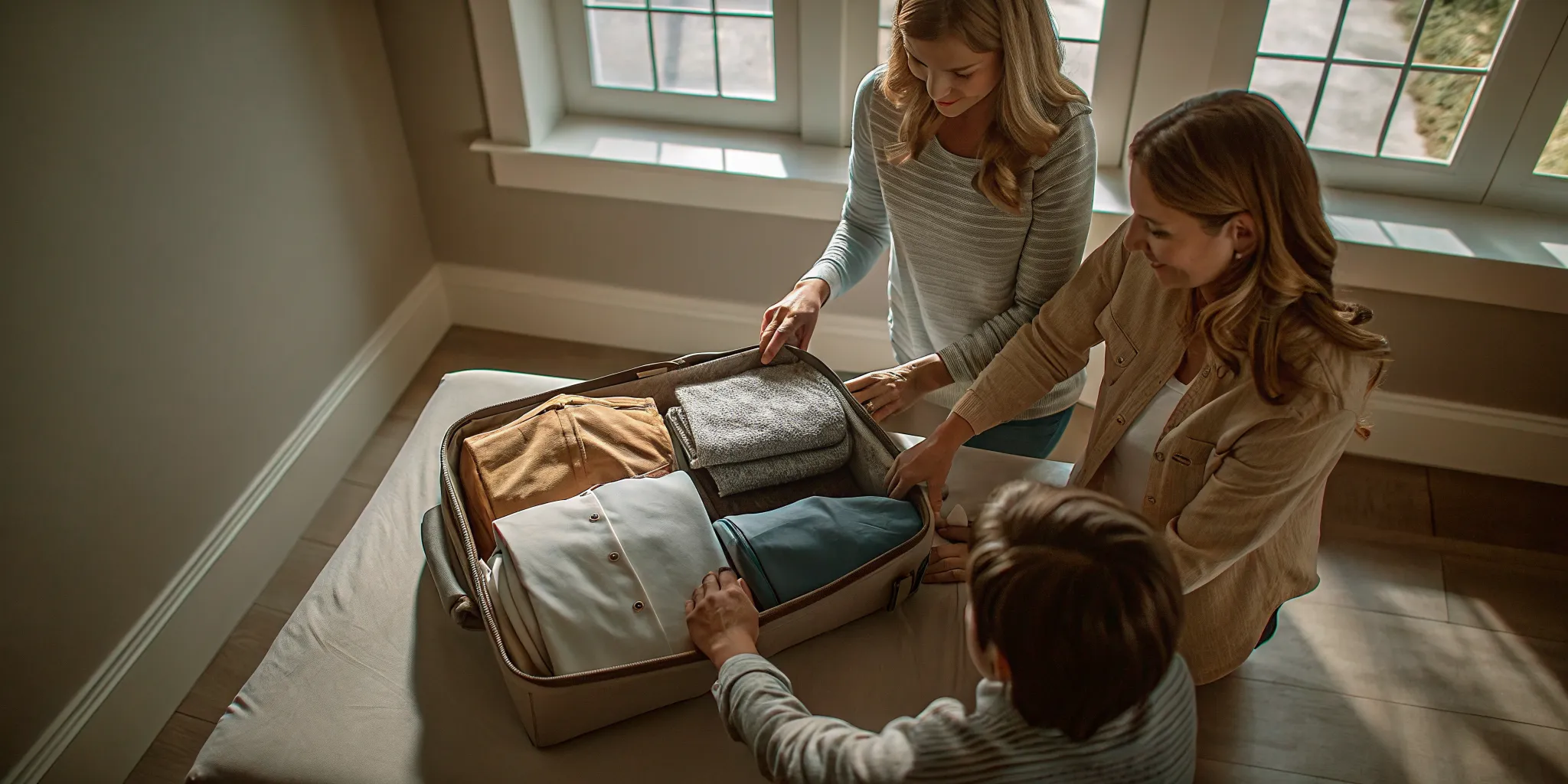
The night before you start care is a time for calm and focus. While you may feel many emotions, taking a few small steps now can help you feel ready. By preparing for your stay at our residential treatment program, you can ensure your first day goes well. Our team is here to help you at every step of your journey.
What to pack for rehab
When you pack, focus on comfort. Most people find that packing enough clothes for 7 to 10 days is the best plan. We have laundry services on site, so you do not need to bring many items. Choose casual clothes like t-shirts, pants, and gym shoes. This helps you stay relaxed during group talks or light exercise. We also give you towels and soap, which helps you keep your bag light.
Avoid bringing a lot of cash or high-priced items. Our center is a calm space built to help you focus on your health. If you look at rehab options in Boston, knowing your needs are met can give you peace of mind. Our team can answer your packing questions at any time of day.
Paperwork and health needs
Having your forms ready may make the start of your stay smoother. Ask whether to bring a valid photo ID, insurance card, and pharmacy benefit information. Keep the confirmed items together so they are easy to find.
If you take daily pills, please bring them in the first pharmacy bottles. All labels must be clear and show your name and the right dose. It is key to have medicine in the first bottles to ensure your safety. Note that our home is smoke-free to support the health of all guests, which matches government rules for residential centers today.
Home tasks and arrival
Before you leave, take care of your tasks at home so they do not cause stress. Make sure your bills are paid and your mail is held. If you have pets or plants, find someone to care for them while you are away. Doing these simple things now lets you focus on your choice to get well.
When you get here, a staff member may look through your bags to ensure a safe space for all. This is a normal step and helps keep our group healthy. Once you settle in, you can start to focus on your goals and healing. Our admissions team is ready to guide you through these final steps.
Frequently Asked Questions
These answers cover common questions about packing for residential treatment. Facility policies can change and individual needs differ, so use them as planning guidance and confirm every item with admissions before arrival.
What is a good care package for someone in rehab?
A good care package should focus on comfort and support. You can send items like journals, stamps, and photos of loved ones. Many people also enjoy soft socks or a warm hoodie for rest. Avoid any products that contain alcohol, such as mouthwash or perfumes. These small gifts show your care and help your loved one keep going. If you’re looking for more tips, check our FAQ page.
What items are usually not allowed in rehab?
Centers often ban items that could distract you or create risks. This often includes alcohol, drugs, and weapons. You should also leave behind any items that contain alcohol, like some types of mouthwash. Many centers also limit the use of laptops or cameras to protect the privacy of all guests. The CDC notes that many sites now have smoke-free rules to help you live a healthy life as you’re healing.
Can I bring my own bedding or towels to rehab?
Most luxury centers like Shore Point provide fresh linens and towels for your stay. You don’t need to pack these bulky items in your bag. But some guests like to bring a small pillow or a favorite throw for extra comfort. This can help you feel more at home as you settle into your new space. Keeping your bags light makes the check-in process much faster and less stressful on your first day.
Should I bring money or valuables to rehab?
You should only bring a small amount of cash for minor needs or store visits. It’s best to leave jewelry, large sums of money, and expensive gear at home. Most centers focus on a safe and low-distraction space for your recovery. If you do bring a credit card, the staff can usually store it in a safe spot for you. This ensures your items stay secure while you focus on your health and wellness goals.
Ready to pack for your recovery journey?
A short conversation with admissions can help you confirm what to pack for rehab and prepare for a smoother arrival. Shore Point’s team can answer confidential questions about residential treatment, permitted items, and next steps.
Putting off your care only makes the path to health harder. Each day you wait is a day spent in the same cycle of pain and stress. If you act now, you can start to feel better and regain your peace of mind much faster. You do not have to carry this weight by yourself. Our team can help you plan your stay and tell you what you need to bring for our residential treatment program. We are ready to help you take that first step toward a new life today. By calling us right now, you can get the help you need without any more delay. We want to make this move as easy and clear for you as we can. We can talk about what to pack and how to get started on your path to health.
Ready to start? Call +1 508-938-8079 to contact our confidential admissions team.