-
 Written By:
Shore Point Team
Written By:
Shore Point Team
-
 Edited By:
Shore Point Team
Edited By:
Shore Point Team
-
 Clinically Reviewed By:
Erin Andrade, LICSW
Clinically Reviewed By:
Erin Andrade, LICSW
If you are asking what is naloxone, the short answer is that it is an emergency medication that can temporarily reverse an opioid overdose and help restore breathing. Knowing how to recognize an overdose and act quickly can help a family member, friend, or bystander protect a life while emergency help is on the way.
Contact Shore Point Recovery to discuss confidential support for opioid use and recovery.
What is naloxone?
Naloxone is an opioid antagonist. It attaches to opioid receptors and can displace or block the effects of opioids that are suppressing a person’s breathing. The National Institute on Drug Abuse explains that naloxone can rapidly reverse an opioid overdose, but it does not treat opioid use disorder or eliminate the need for emergency medical care.
Naloxone is designed for an emergency involving a known or suspected opioid, including opioids such as fentanyl, heroin, oxycodone, hydrocodone, morphine, or methadone. It is commonly available as a prefilled nasal spray. Injectable forms also exist, but the device instructions and training differ.
Naloxone is safe to give when an opioid overdose is suspected, even if you are not completely certain opioids were involved. It does not reverse an overdose caused only by a non-opioid substance, but it is not expected to harm someone who has no opioids in their system. When in doubt, treat a person with possible overdose symptoms as having an emergency and call 911.
How does naloxone reverse an opioid overdose?
Naloxone works by competing with opioids at the receptors that affect the central nervous system and breathing. When it takes effect, breathing may improve within a few minutes. This effect is temporary, and the opioid may last longer than the naloxone. That is why a person can appear better and then develop dangerous breathing problems again.
The CDC explains that naloxone may restore normal breathing within about 2 to 3 minutes. The timing can vary by product, the opioid involved, the amount taken, and the person’s health. Strong or long-acting opioids may require more than one dose. Naloxone is a bridge to emergency care, not a substitute for it.
When should you give naloxone?
Give naloxone as soon as possible when a person may be experiencing an opioid overdose. Do not wait for every sign to appear. If a person cannot be awakened and has slow, shallow, stopped, or abnormal breathing, call 911 and use naloxone if it is available.
Possible signs of an opioid overdose
- Unable to wake up or respond normally
- Very slow, shallow, irregular, or stopped breathing
- Choking, gurgling, or unusual snoring sounds in an unresponsive person
- Small, pinpoint pupils
- Limp arms or legs
- Pale, gray, blue, or discolored lips or fingernails
The CDC advises treating an uncertain situation like an overdose. You do not need to know exactly what substance was taken before calling for help. Do not leave the person alone to search for more information.
How do you use naloxone nasal spray?
Follow the instructions on the specific product in front of you. The general response below is for a prefilled nasal spray and is not a replacement for the package directions, dispatcher guidance, or medical training.
- Call 911 immediately. If another person is present, ask them to call while you get the naloxone. If you are alone, call first and use speakerphone if possible.
- Give the first dose. Remove the nasal spray from its package. Place the tip into one nostril and press the plunger firmly as directed by the device instructions. Do not test or prime a prefilled device.
- Support breathing and follow the dispatcher’s instructions. Try to keep the person awake and breathing. If they are breathing normally but remain unresponsive, place them on their side to reduce choking risk. If you are trained in rescue breathing or CPR, follow the dispatcher’s directions.
- Watch for a response. Breathing may improve within 2 to 3 minutes, but a person may not wake up immediately. Stay with them and continue monitoring.
- Give another dose if needed. If the person does not respond, or improves and then becomes unresponsive or develops breathing problems again, use a new device and follow the product instructions. The FDA label for naloxone nasal spray allows repeat doses every 2 to 3 minutes when needed while emergency assistance is on the way.
- Stay until emergency responders arrive. Tell EMS what you observed, what may have been taken, and how many doses were given, if you know. Do not let the person use opioids again after waking up.
Do not delay the 911 call to look for naloxone, and do not leave after the person starts breathing. A return of breathing is encouraging, but the overdose can recur after naloxone wears off.
Why might someone need more than one dose?
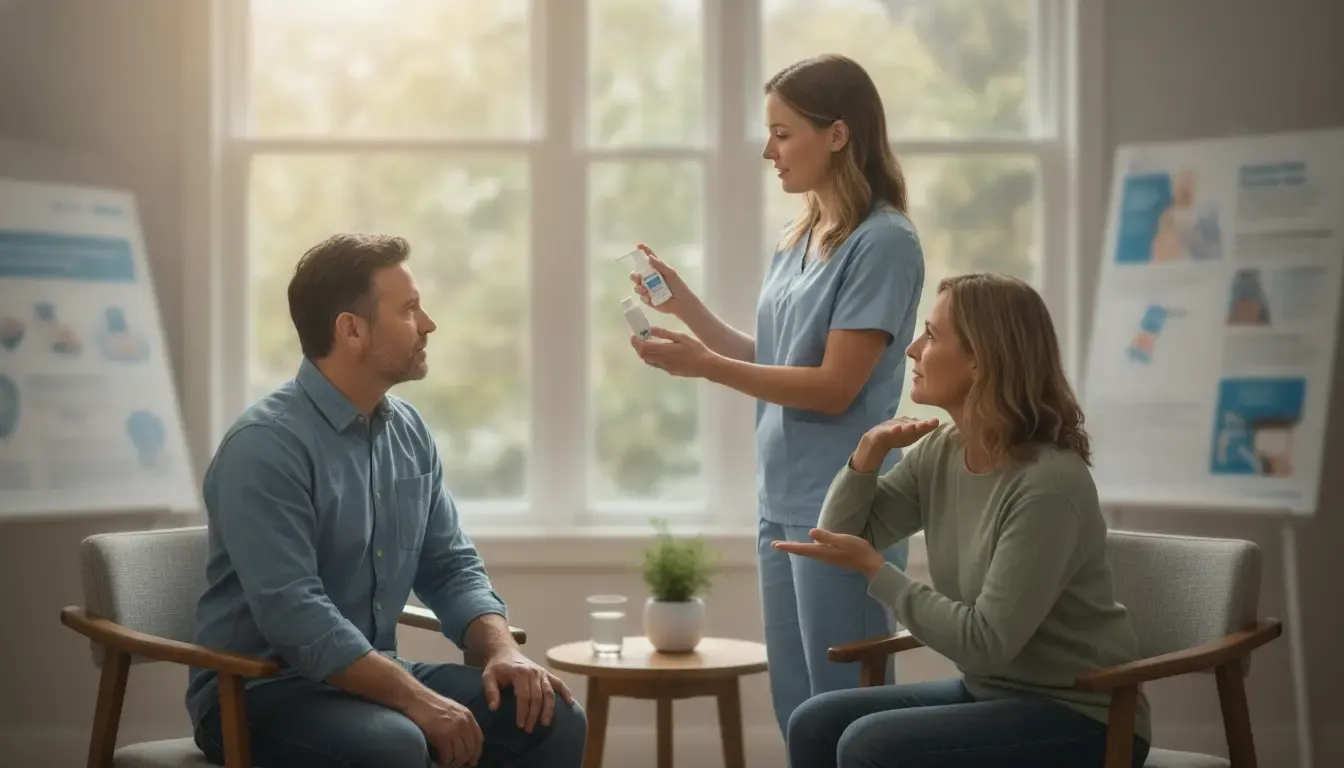
Repeat naloxone may be needed when the opioid is especially potent, when a large amount was taken, when a long-acting opioid is involved, or when the first dose does not restore breathing. Fentanyl and other illicitly manufactured opioids can also be involved in an overdose without the person knowing what was in the substance.
Do not assume that a lack of immediate response means naloxone is useless. Continue the emergency response, use additional doses as directed, and follow 911 dispatcher instructions. Use a new nasal spray for each dose. If breathing improves and then slows again, treat that change as an emergency and tell EMS.
The FDA prescribing information warns that opioid effects can last longer than naloxone. Continued observation by emergency professionals is necessary even when the person appears awake or comfortable.
What happens after naloxone is given?
Naloxone can cause sudden opioid withdrawal in a person whose body is dependent on opioids. Possible symptoms include nausea, vomiting, sweating, shaking, restlessness, irritability, body aches, and a fast heart rate. These symptoms can be distressing, but they do not mean that the naloxone caused the overdose or that the person should be denied emergency care.
A person who wakes up may feel confused, frightened, or angry. Speak calmly, keep them in a safe position, and explain that emergency help is coming. Do not argue with them or allow them to leave before EMS evaluates them. If they become sleepy again, stop breathing normally, or cannot be awakened, tell the dispatcher and administer another dose according to the product instructions.
The SAMHSA Overdose Prevention and Response Toolkit provides broader education for families, caregivers, first responders, and people affected by substance use. Keep naloxone where it can be reached quickly, check expiration dates, and replace any used or expired device.
Who should carry naloxone?
Anyone can carry naloxone. It is not only for a person who has an opioid use disorder. A family member, roommate, friend, caregiver, or coworker may be the person who recognizes an overdose first. Consider keeping it available if someone takes prescription opioids, uses illicit opioids, has a history of overdose, or may encounter fentanyl or another unexpected opioid.
The FDA approved an over-the-counter naloxone nasal spray, which expanded access for people who want to keep this medication at home. Availability, product instructions, and local access can vary. Ask a pharmacist, clinician, local health department, or community organization about obtaining naloxone and learning how to use the specific device.
Naloxone and addiction treatment are not the same
Naloxone responds to an immediate overdose. It does not treat opioid use disorder, remove cravings, provide counseling, or create a continuing recovery plan. Using naloxone is an act of emergency care, not a judgment about the person who needs it.
| Emergency overdose response | Ongoing opioid use disorder treatment |
|---|---|
| Uses naloxone to temporarily reverse opioid-related breathing suppression | Addresses health, cravings, withdrawal, behavior, mental health, and recovery goals over time |
| Starts with calling 911, giving naloxone, supporting breathing, and staying with the person | May include medical assessment, withdrawal management, FDA-approved medications, therapy, and continuing care |
| Protects life during a time-sensitive emergency | Builds a personalized plan for stabilization and lasting recovery |
After the emergency has passed, a compassionate conversation can open the door to care. Shore Point Recovery provides opioid addiction treatment information that explains medical detox, therapy, medication options, and continuing support. If a person needs medically supervised withdrawal management, review Shore Point’s medical detox program rather than attempting to manage a dangerous withdrawal alone.
Frequently Asked Questions About Naloxone
Can naloxone hurt someone who is not overdosing on opioids?
Naloxone is not expected to harm a person who has no opioids in their system, although it will not reverse a non-opioid overdose. If someone is unresponsive or breathing abnormally, call 911 and give naloxone if an opioid overdose is possible.
Can naloxone be used before someone takes an opioid?
No. Naloxone is an emergency response medication, not a preventive medication to take before using opioids. The safest approach is to avoid using non-prescribed opioids, follow prescriptions carefully, and keep naloxone available for an unexpected emergency.
How long does naloxone work?
The effect varies by product and situation, but naloxone may wear off before the opioid does. A person can develop breathing problems again after initially improving, which is why 911, continued observation, and repeat doses when directed are essential.
What if the person refuses help after waking up?
Continue to encourage emergency evaluation and tell the dispatcher what is happening. Naloxone can wear off while the opioid remains active, and a person who seems better can become unresponsive again. Keep the environment calm and do not leave them alone.
Does naloxone replace opioid addiction treatment?
No. Naloxone can save a life during an overdose, but it does not treat opioid use disorder. Ongoing care may include medical withdrawal support, medications for opioid use disorder, therapy, psychiatric care, and continuing recovery support tailored to the person’s needs.
Learn about confidential admissions and ongoing recovery support at Shore Point Recovery.
Take the next safe step
If you are preparing for a possible emergency, keep naloxone accessible, learn the instructions for the device you have, and make sure the people around you know where it is. If an overdose may be happening now, call 911 immediately and use naloxone if available.
For questions about opioid use, withdrawal, or treatment after an overdose, Shore Point Recovery can help you understand available options in a private setting. Learn more about medication-assisted treatment for opioid addiction and speak with a qualified care team about the appropriate next step.
Call Shore Point Recovery at (508) 938-8079 for confidential support.